21
Jun
Field Study Conducted at the Common Effluent Treatment Plant (CETP), Savar Tannery Industrial Estate
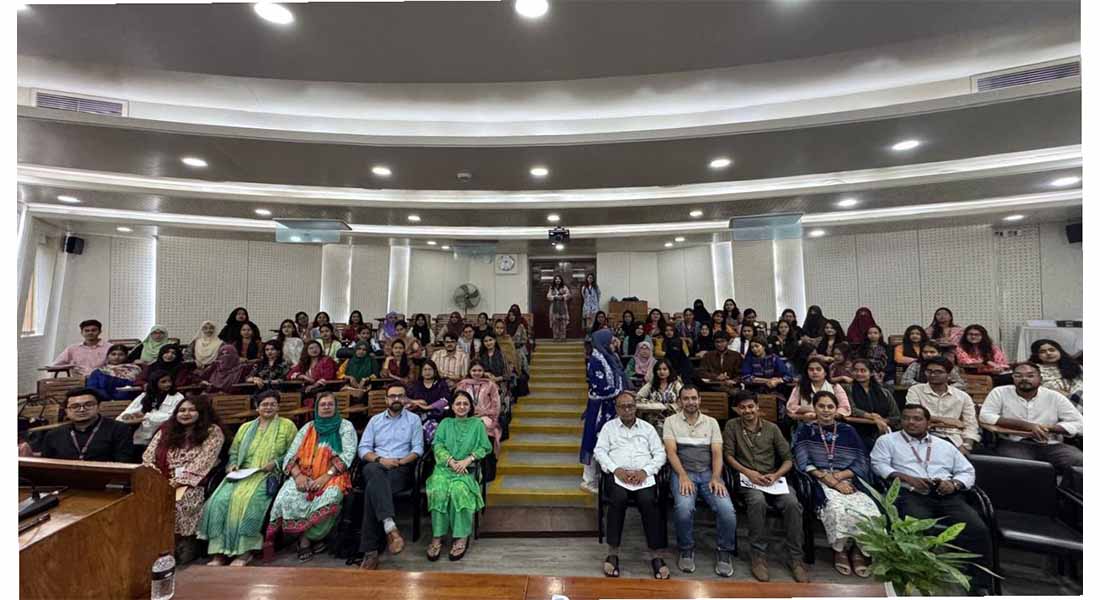
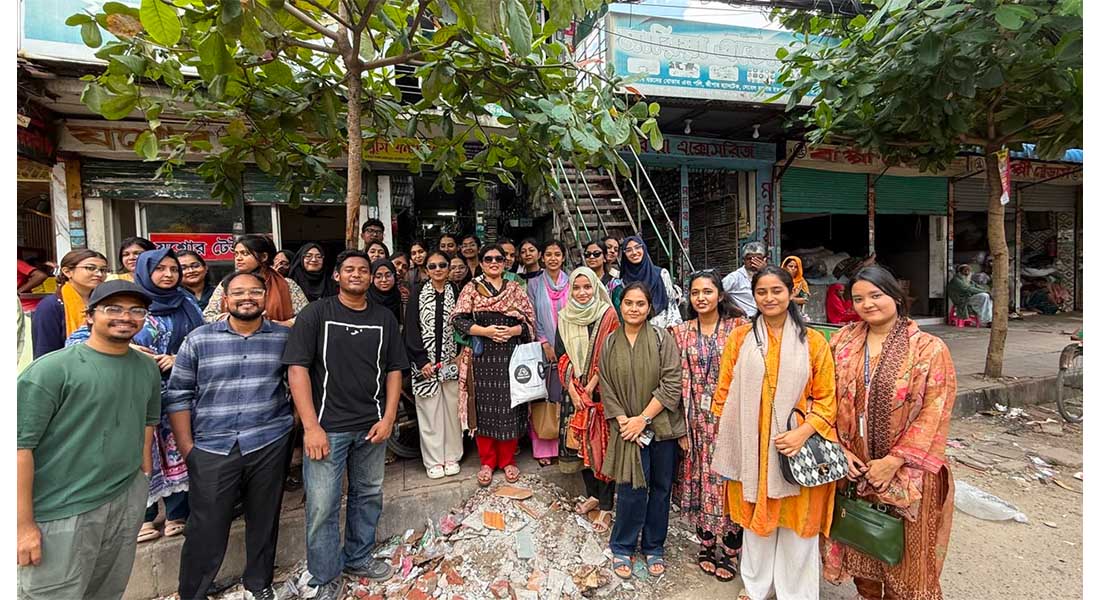
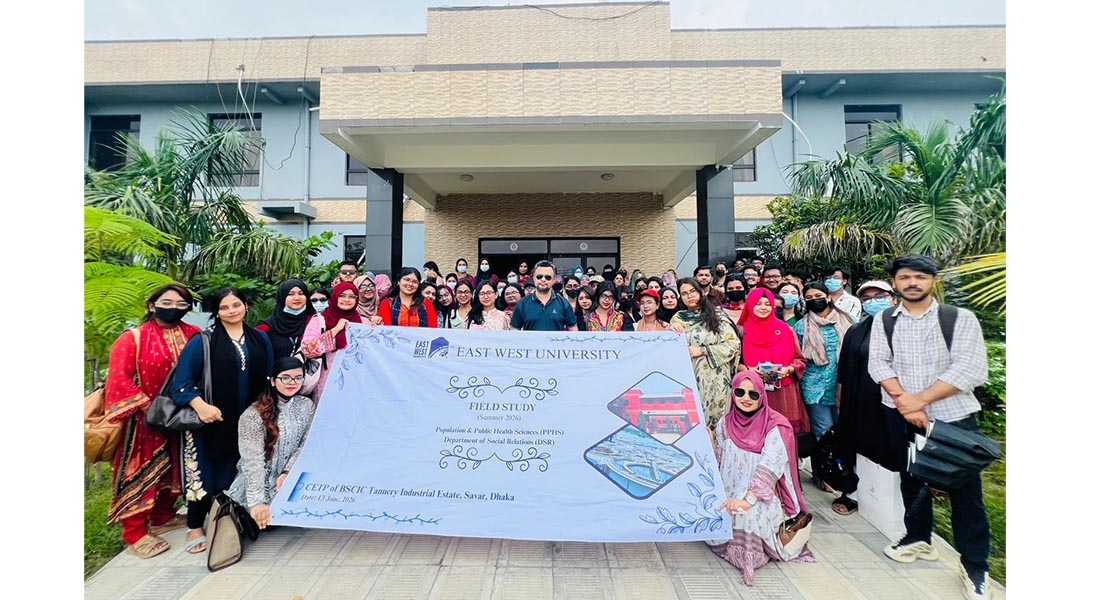
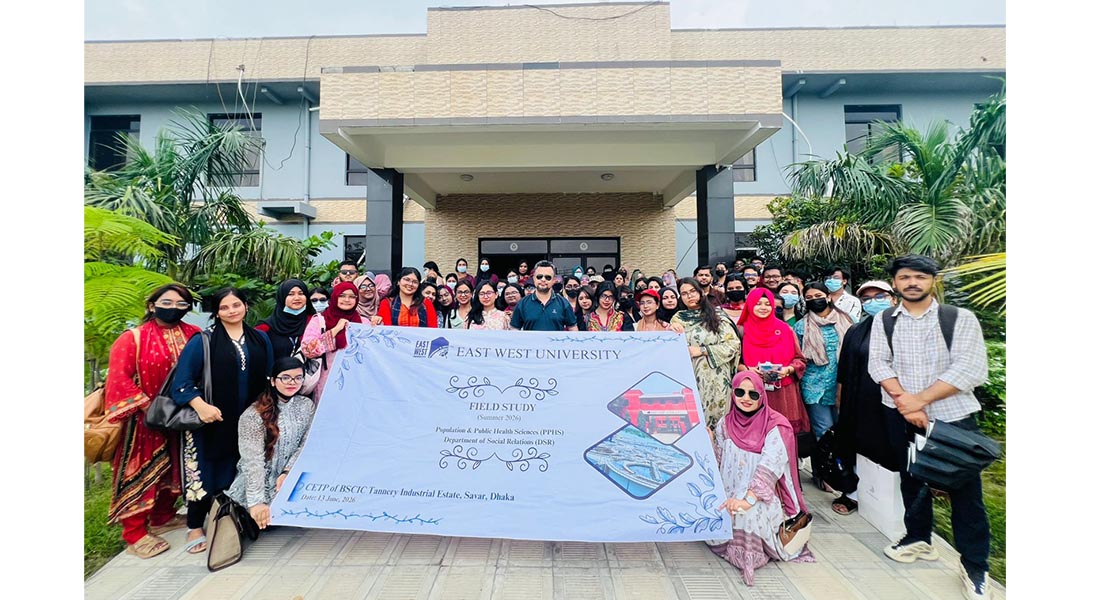
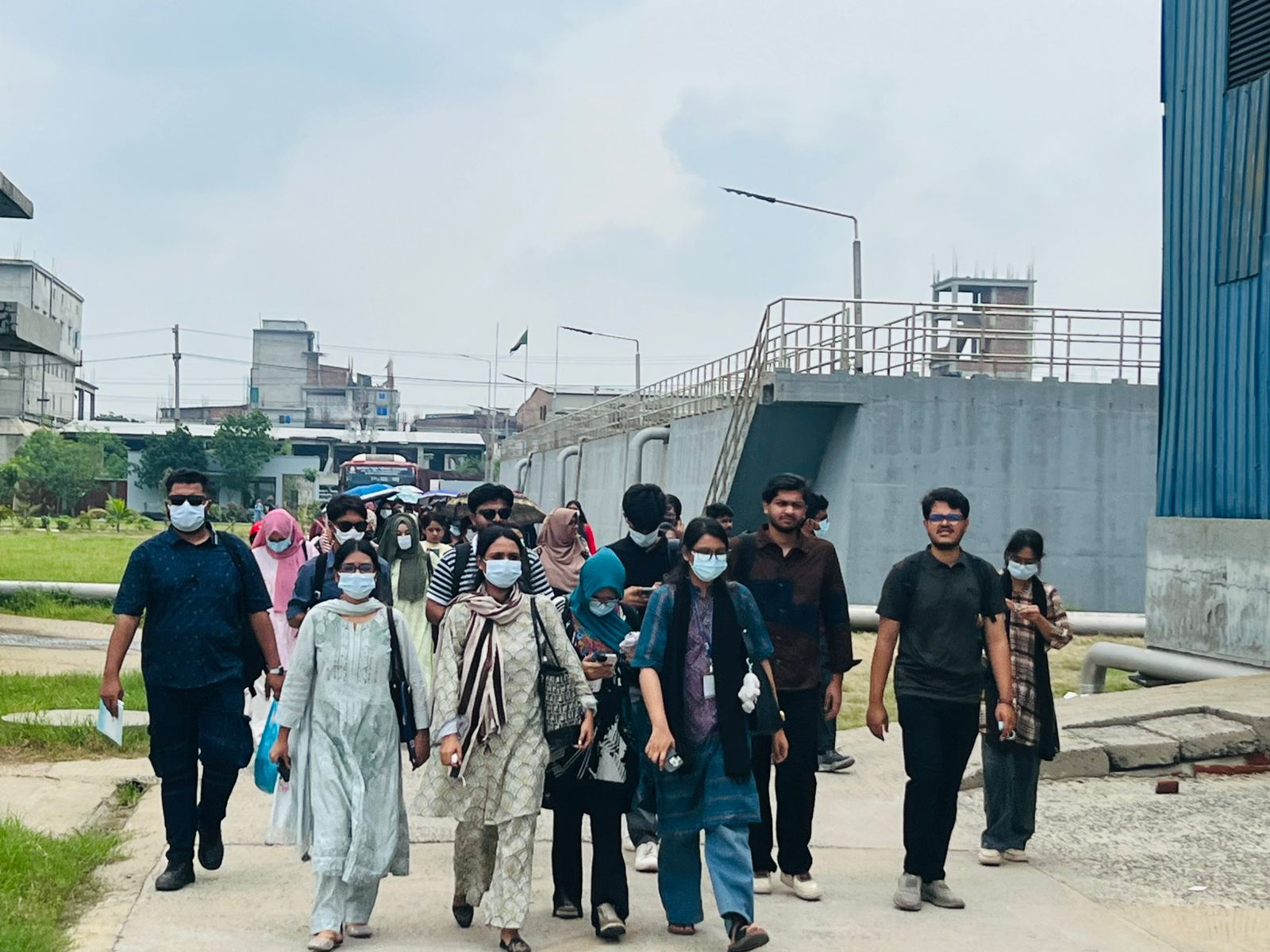
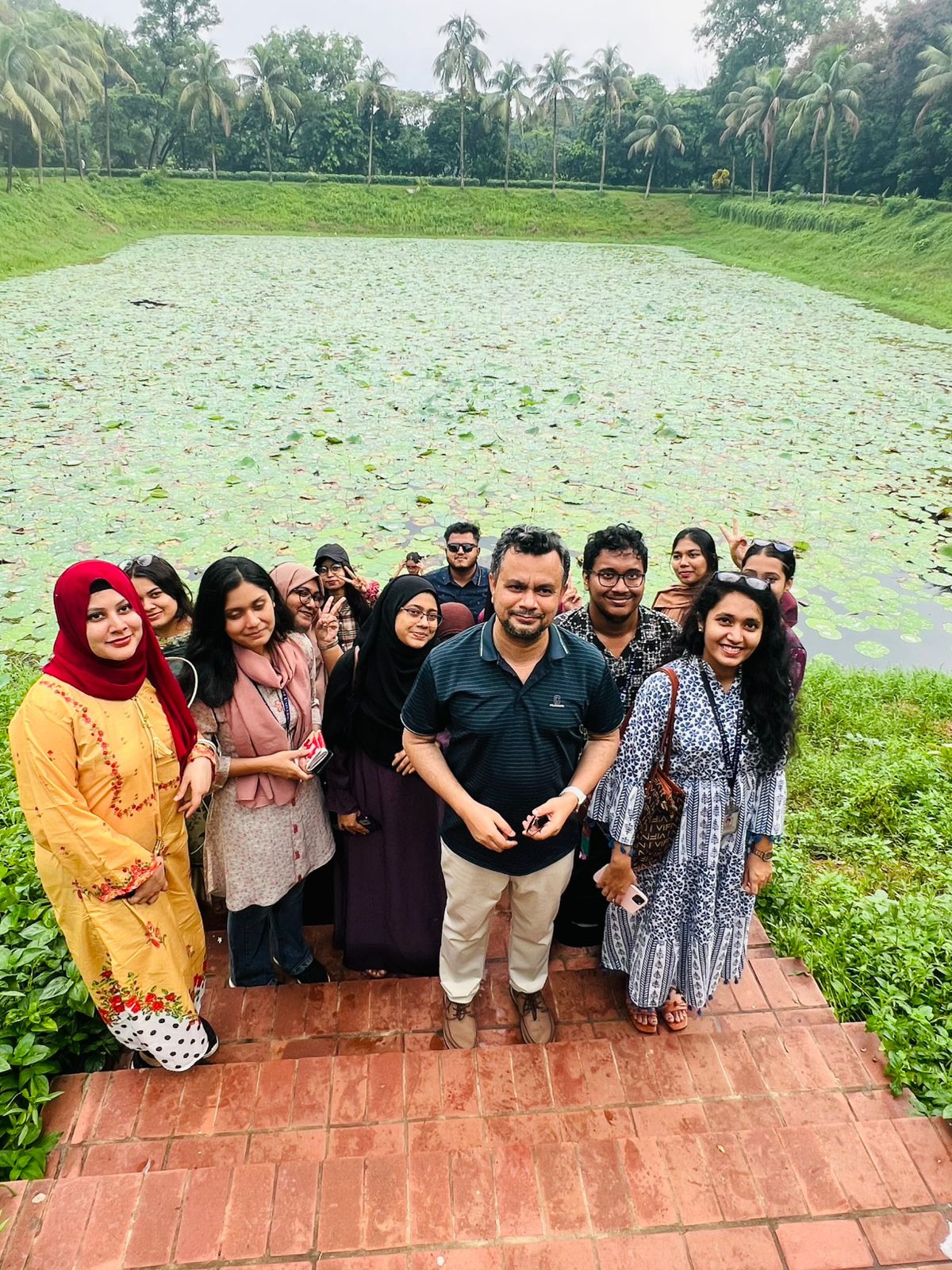
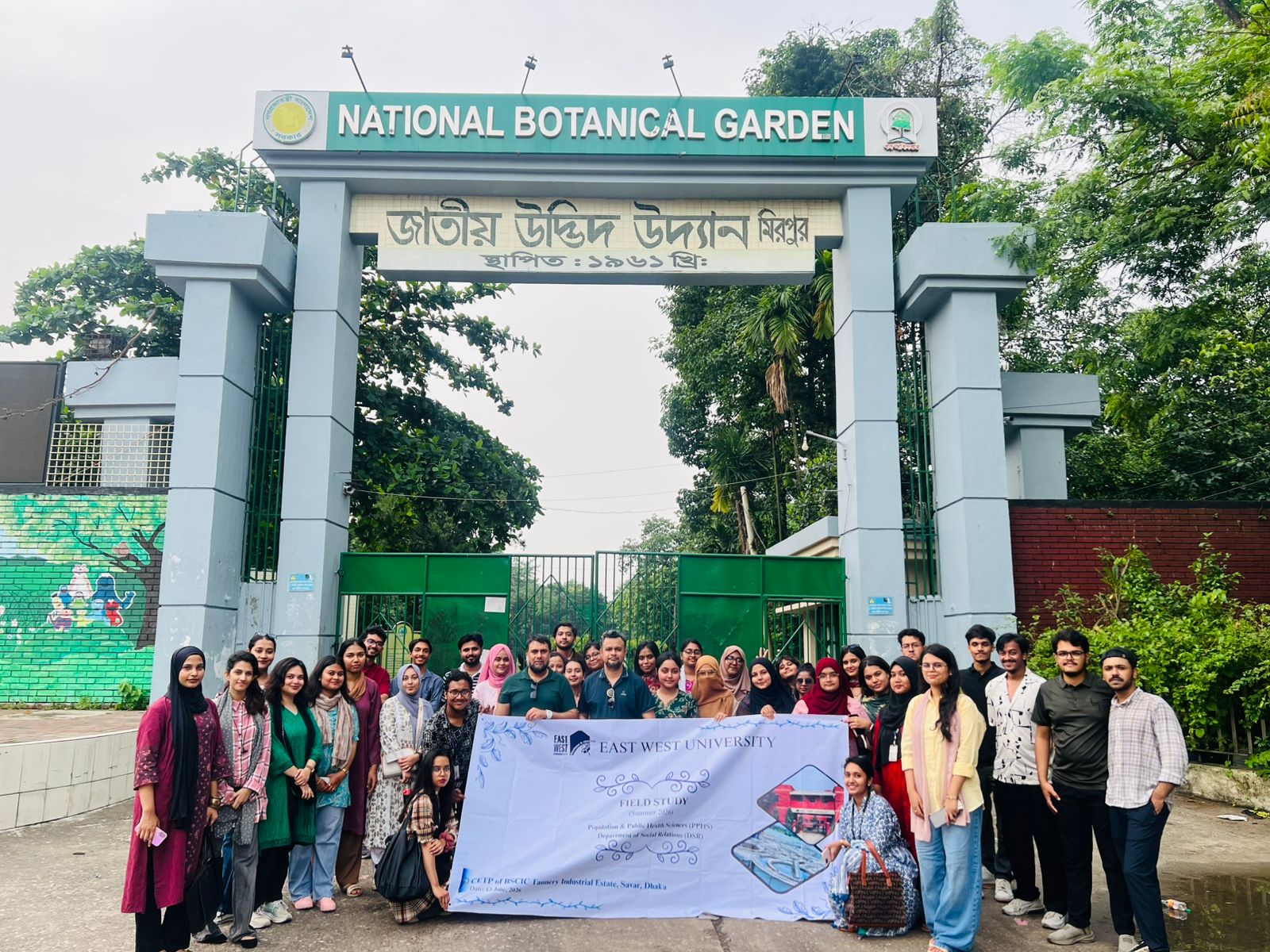
A field study was conducted by students of the Department of Social Relations at the Common Effluent Treatment Plant (CETP) located in the Savar Tannery Industrial Estate. The visit was organized as part of the courses Environment and Development and Environmental Pollution and Human Health. The field study was conducted under the supervision of Dr. Asib Ahmed, Department of Social Relations, East West University, to provide practical insights into industrial waste management, environmental protection, and sustainable development practices.
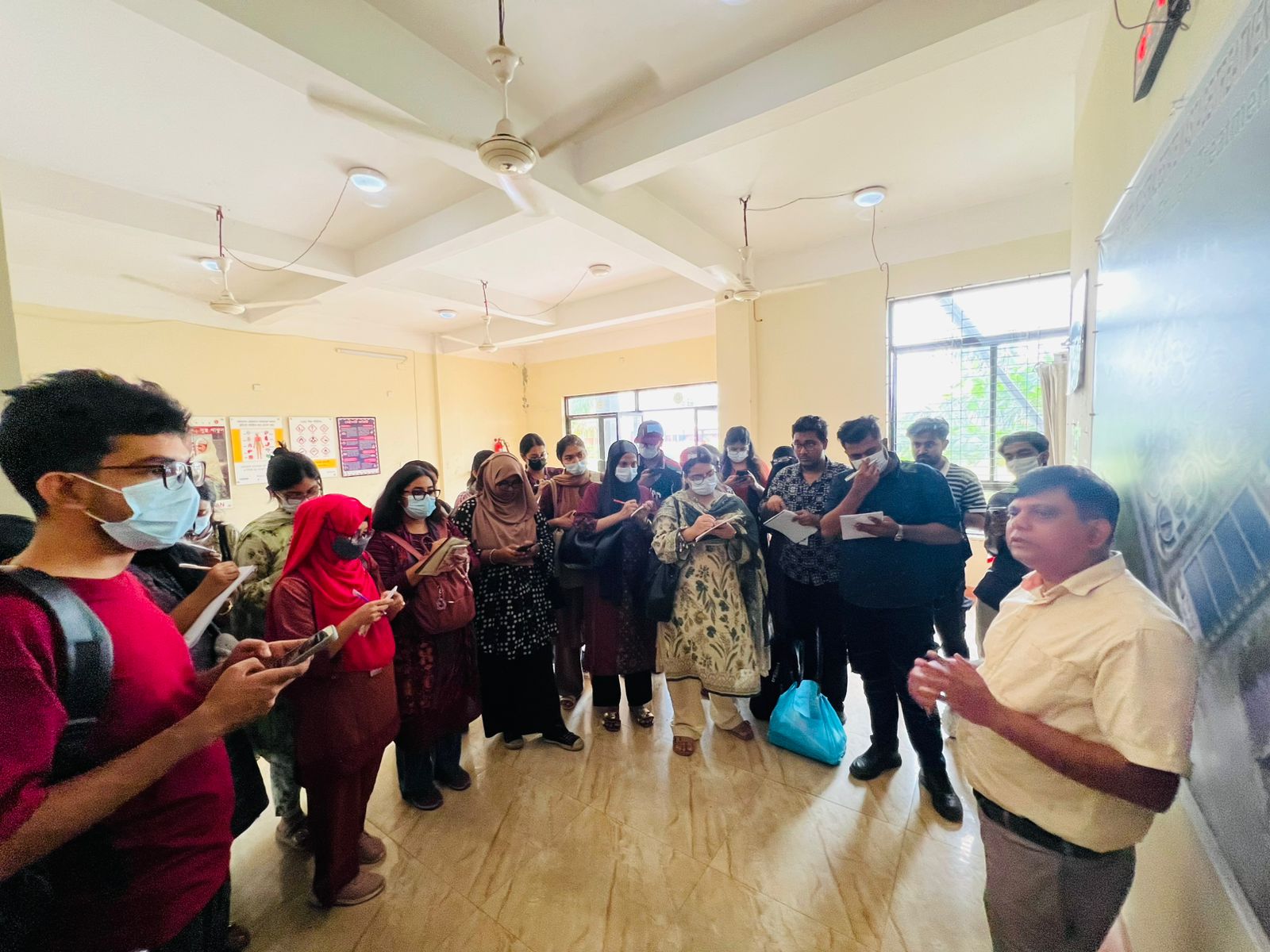
During the visit, a comprehensive briefing was provided by a facility representative regarding the operations of the CETP and the environmental challenges associated with the leather industry. The processes involved in leather production, including washing, liming, dehairing, dyeing, drying, and finishing, were explained. Particular attention was given to the environmental impacts of these activities and the measures that have been adopted to minimize pollution.
Information was shared on the treatment of tannery wastewater through equalization, chemical treatment, and biological treatment processes. Key environmental indicators such as Biological Oxygen Demand (BOD), Chemical Oxygen Demand (COD), Total Suspended Solids (TSS), Total Dissolved Solids (TDS), pH, and chromium levels were discussed. It was explained that wastewater generated by tanneries must be treated to meet regulatory standards before discharge into the environment.
The management of solid waste was also highlighted. It was demonstrated how tannery by-products, including shaving dust and leather cuttings, are being utilized to produce industrial materials, thereby reducing environmental burdens. Plans for upgrading the CETP and increasing opportunities for water reuse were also presented.
Valuable knowledge regarding environmental governance, pollution control technologies, and sustainable industrial practices was gained through direct observation of the facility. The field study was regarded as a significant learning experience through which classroom concepts were connected with real-world environmental management practices.
Click to Apply Online