05
May
Field Visit to Dasherkandi Sewage Treatment Plant: A Practical Insight into Wastewater Management
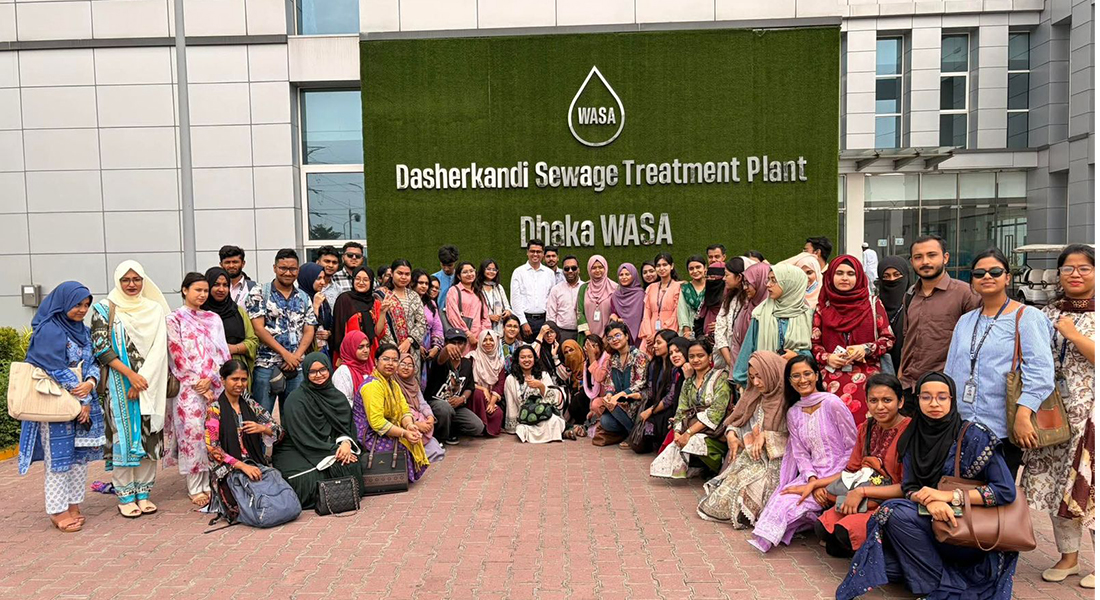
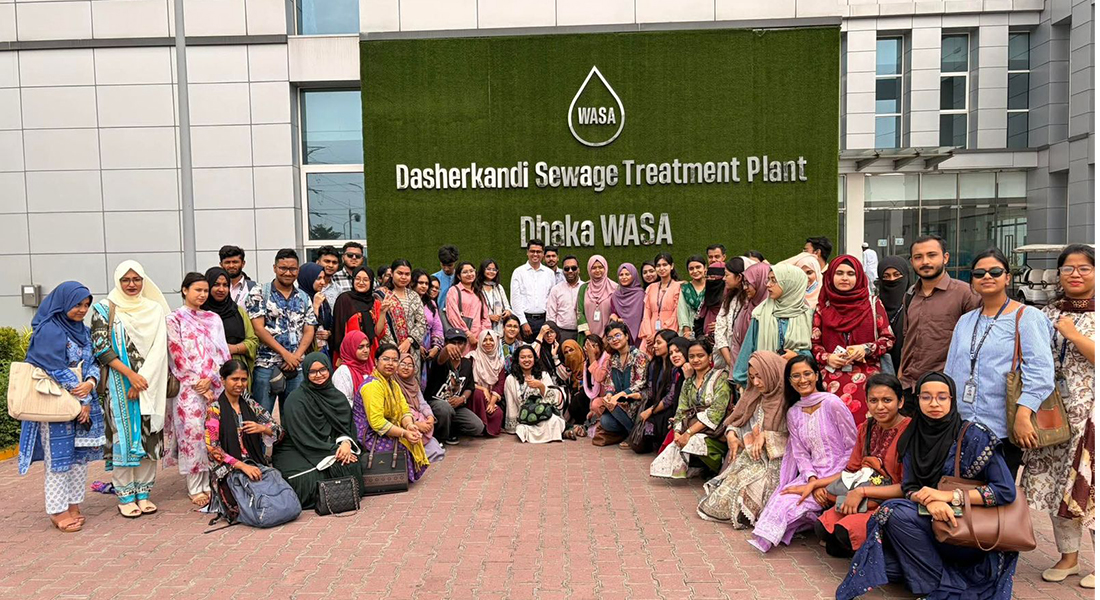
As part of the academic curriculum of “EHS 301 – Global Environmental Challenges” and “EHS 302 – Environmental Health,” a field visit was organized to the Dasherkandi Sewage Treatment Plant. The visit provided students with a valuable opportunity to gain practical insights into large-scale (Approx 30million liters) wastewater management in Bangladesh.
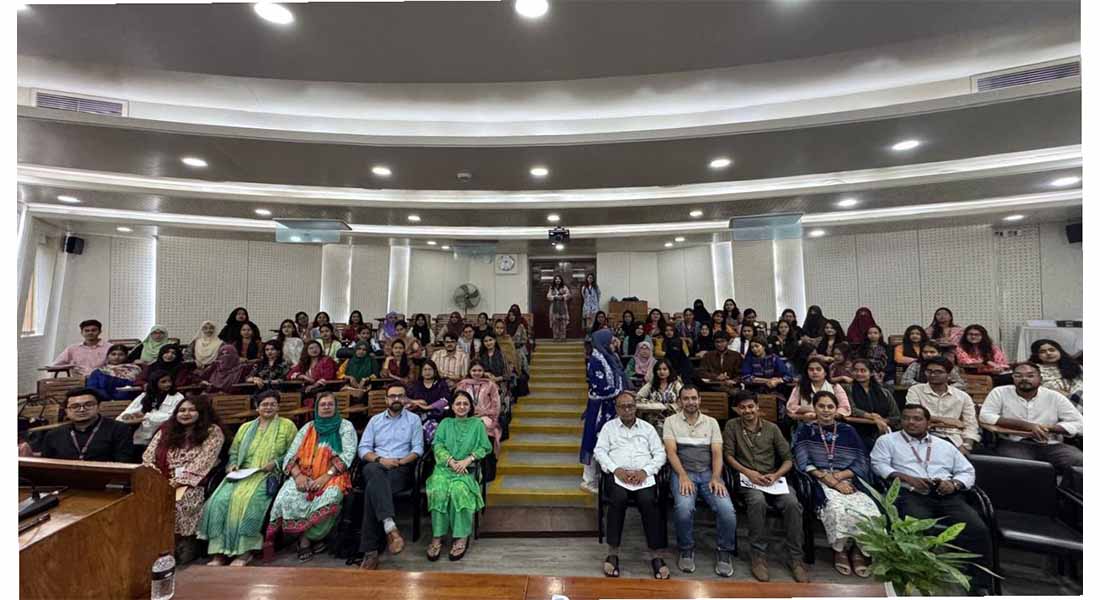
The program began with an informative briefing session conducted by the plant authorities, in which students were introduced to the facility's overall operations, treatment capacity, and environmental significance. The discussion highlighted the role of modern sewage treatment in addressing urban pollution and supporting sustainable water management in a densely populated city like Dhaka.
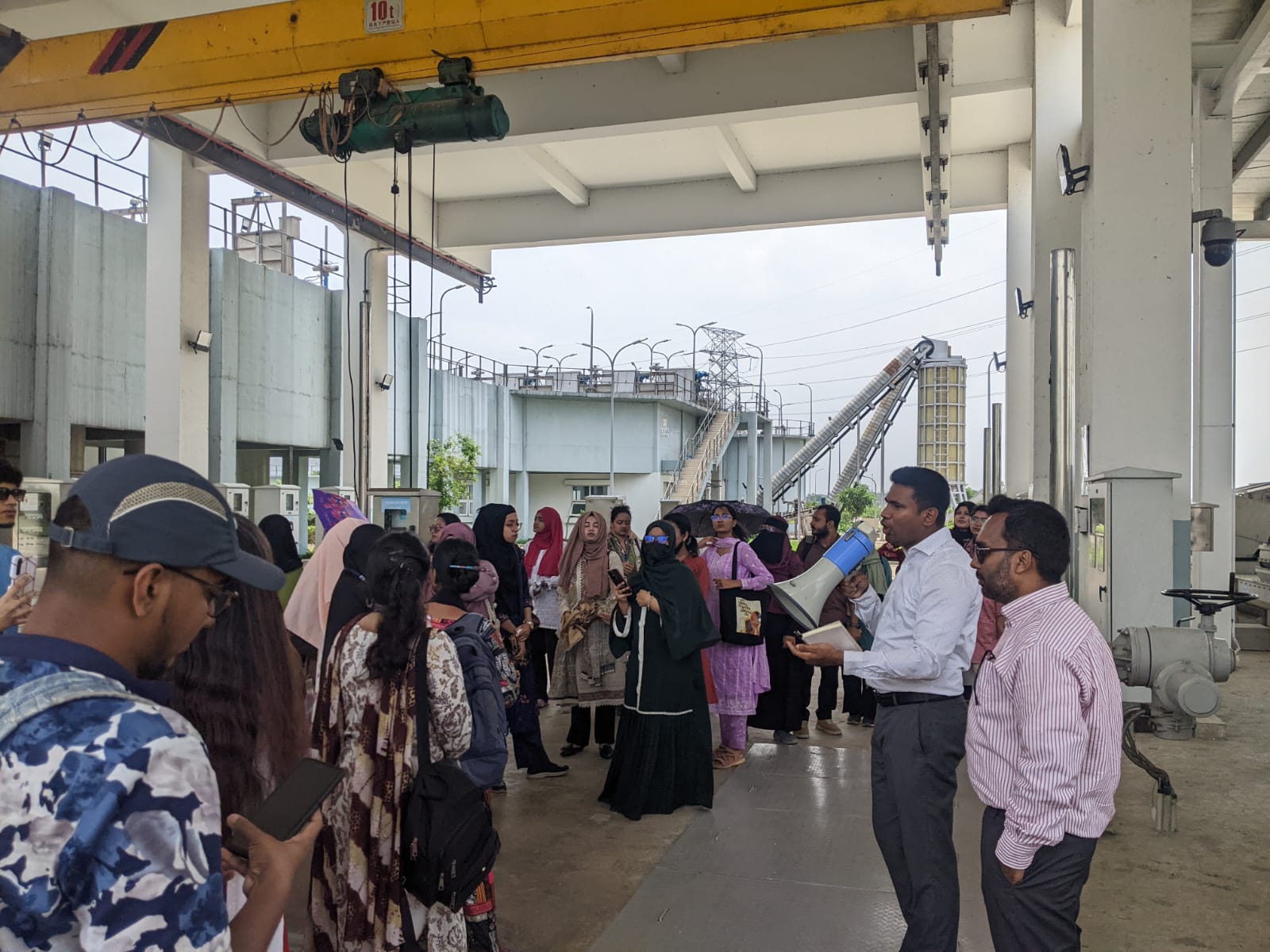
Following the session, students were taken on a guided tour of the treatment plant, where they observed the different stages of wastewater treatment, including screening, sedimentation, biological processes, and sludge management. The engineers and technical staff explained each step in detail, helping students connect their classroom learning to real-world practice.
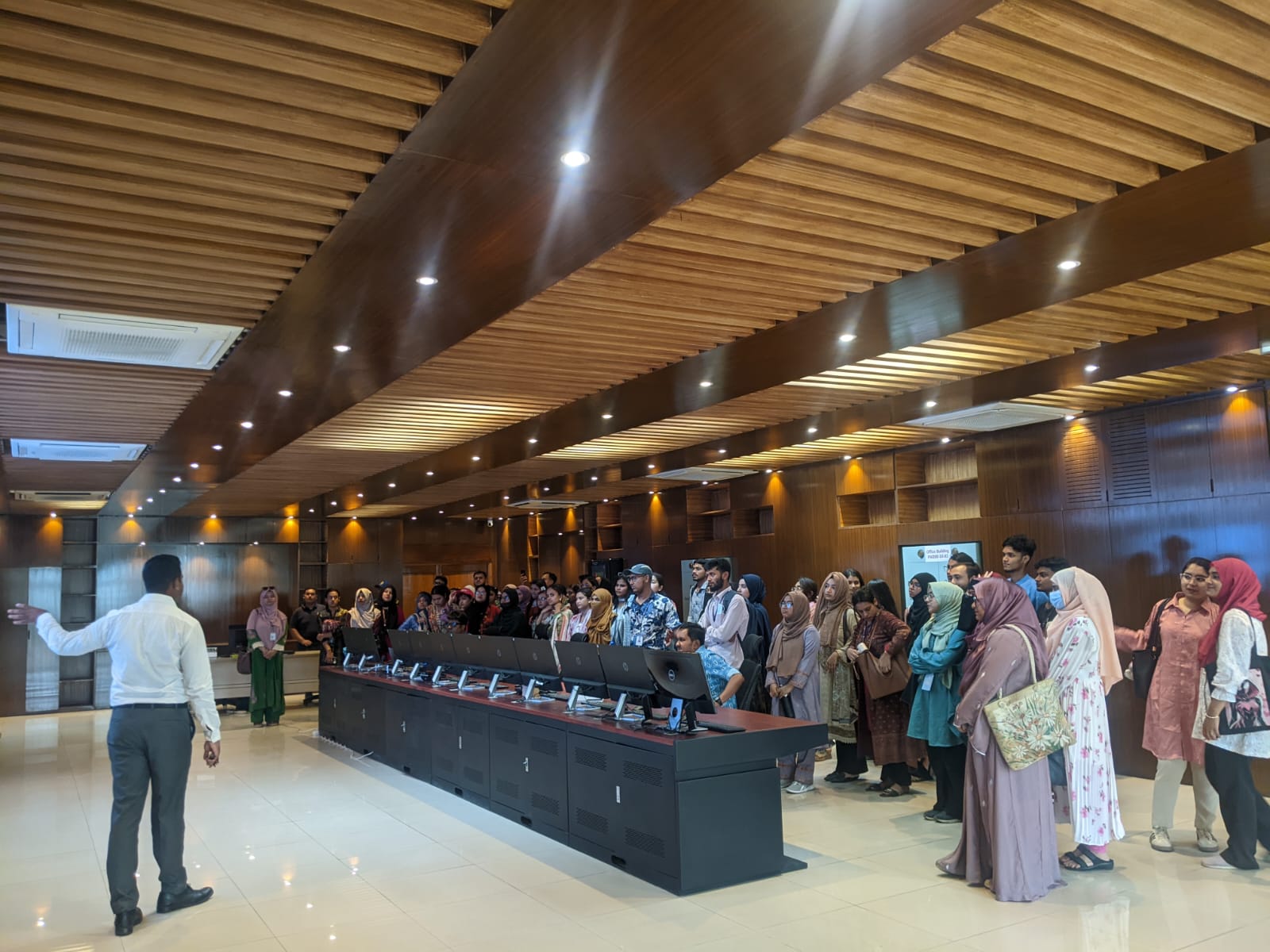
One of the most striking aspects of the visit was the high level of automation across the plant. Most processes are operated and monitored through advanced control systems, ensuring efficiency, accuracy, and smooth operation throughout.
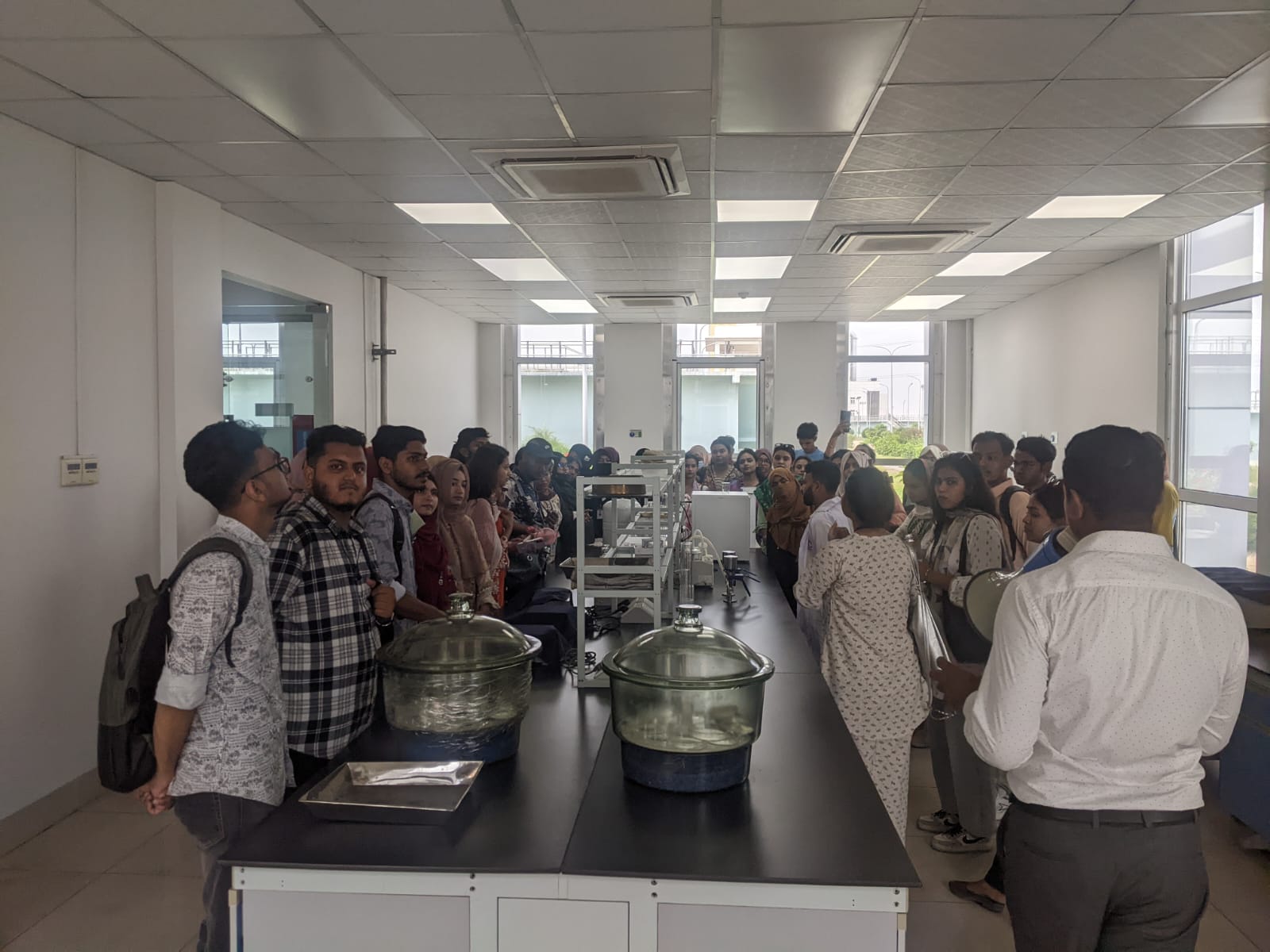
Towards the end of the visit, students explored the plant’s laboratory, where the quality of treated water is carefully tested. Key parameters such as pH, turbidity, dissolved oxygen, and microbial content are regularly monitored to ensure the water meets environmental safety standards.
To sum up, the experience allowed students to relate their observations to the key themes of both courses, particularly in understanding wastewater treatment as a response to global environmental challenges and its direct impact on environmental health and public well-being.
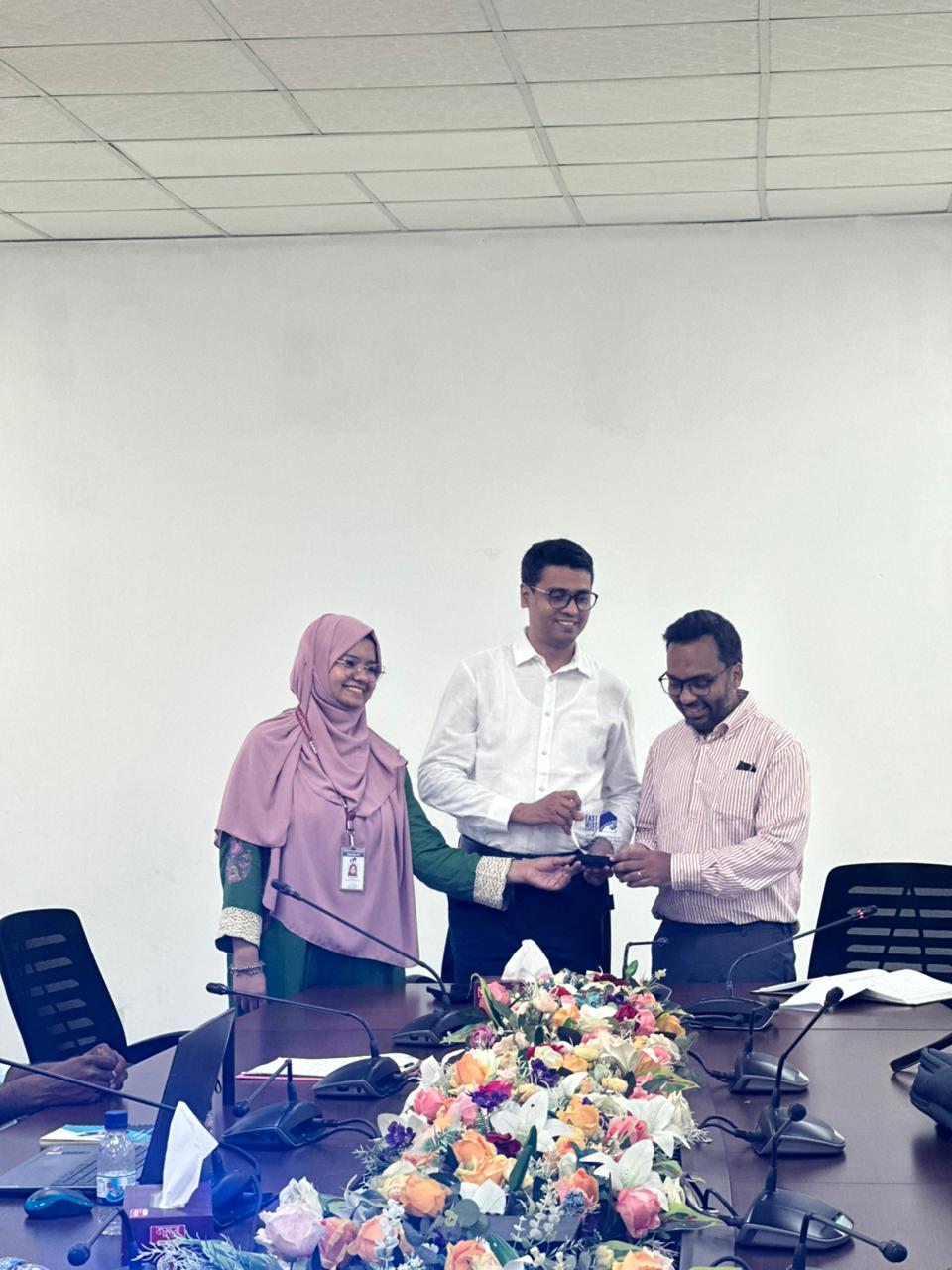
The visit concluded with a note of appreciation to the plant authorities for their support and guidance. It was a meaningful and enriching learning experience for all participants.
Click to Apply Online