08
Aug
Study Visit to PROSHIKA, Manikganj | Summer 2026
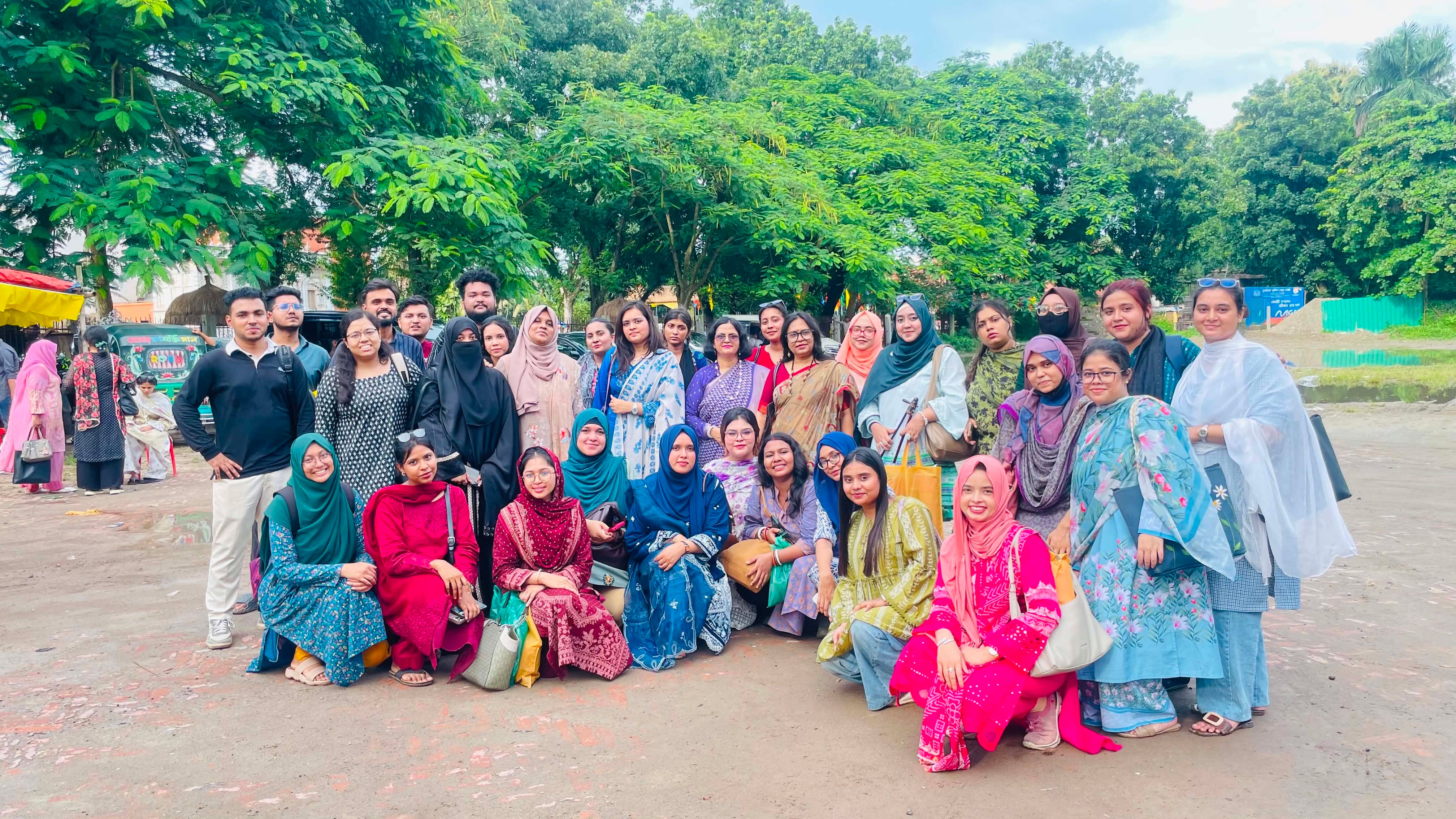
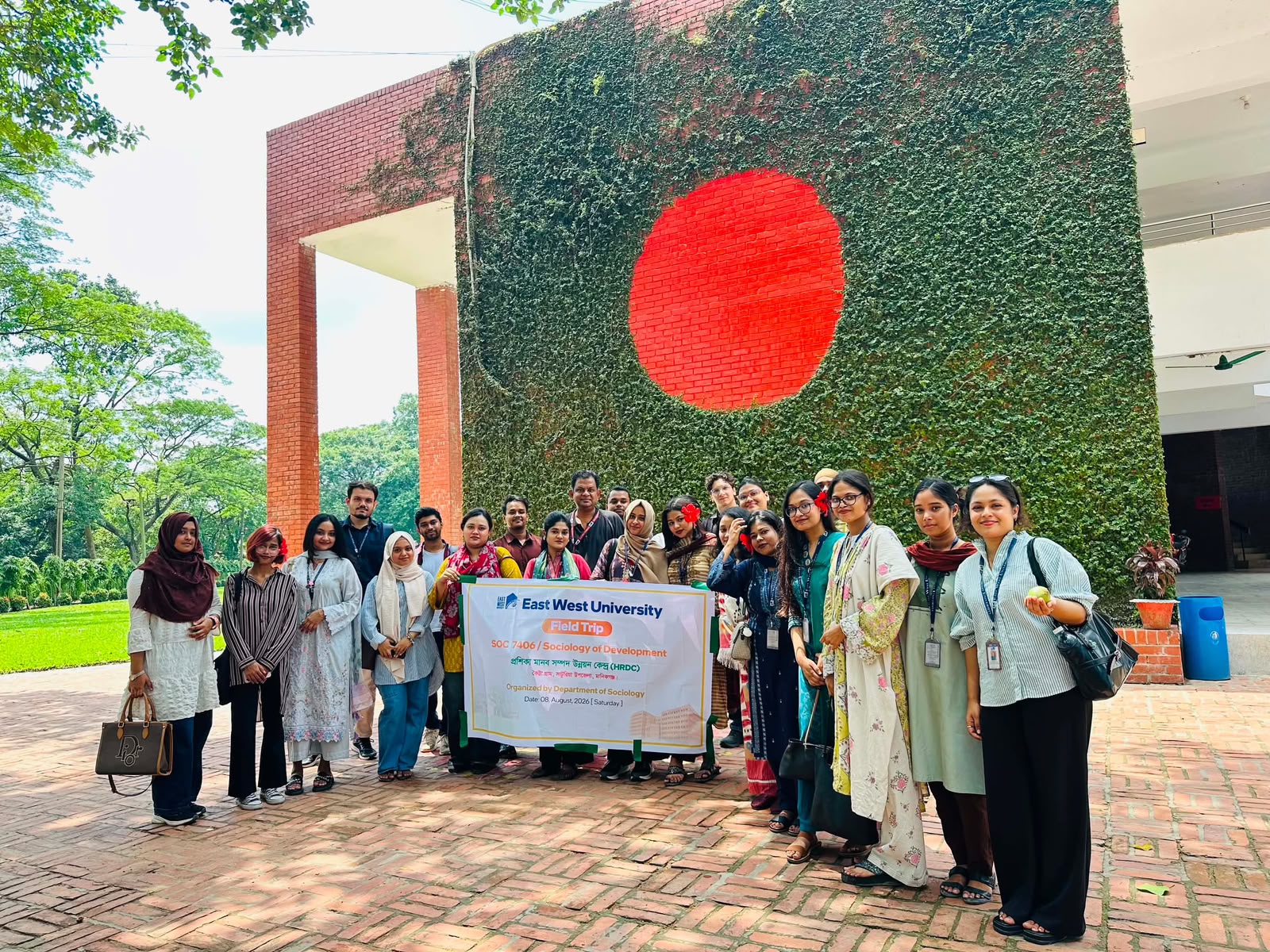
On August 8, 2026, a study visit was conducted to the PROSHIKA Human Resource Development Center (HRDC), Manikganj, for students enrolled in SOC7406: Sociology of Development under the BSS in Sociology program at East West University. The primary objective of the visit was to promote reflective learning by bridging theoretical knowledge with practical organizational experience.
PROSHIKA is an acronym derived from three Bangla words: Proshikkhan (training), Shikkha (education), and Kaj (action). Established in 1976, PROSHIKA is one of the largest non-governmental organizations in Bangladesh. It was founded with the objective of contributing to the reconstruction of the war-ravaged country. The organization’s mission is to promote sustainable development through an extensive, intensive, and participatory process aimed at empowering disadvantaged and marginalized communities.
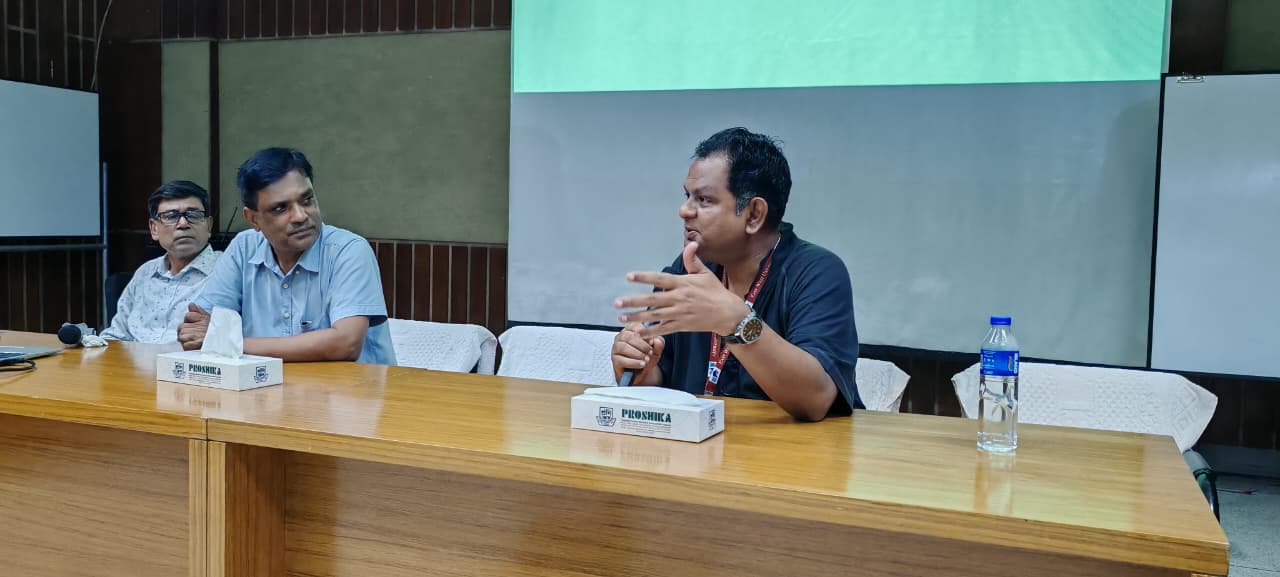
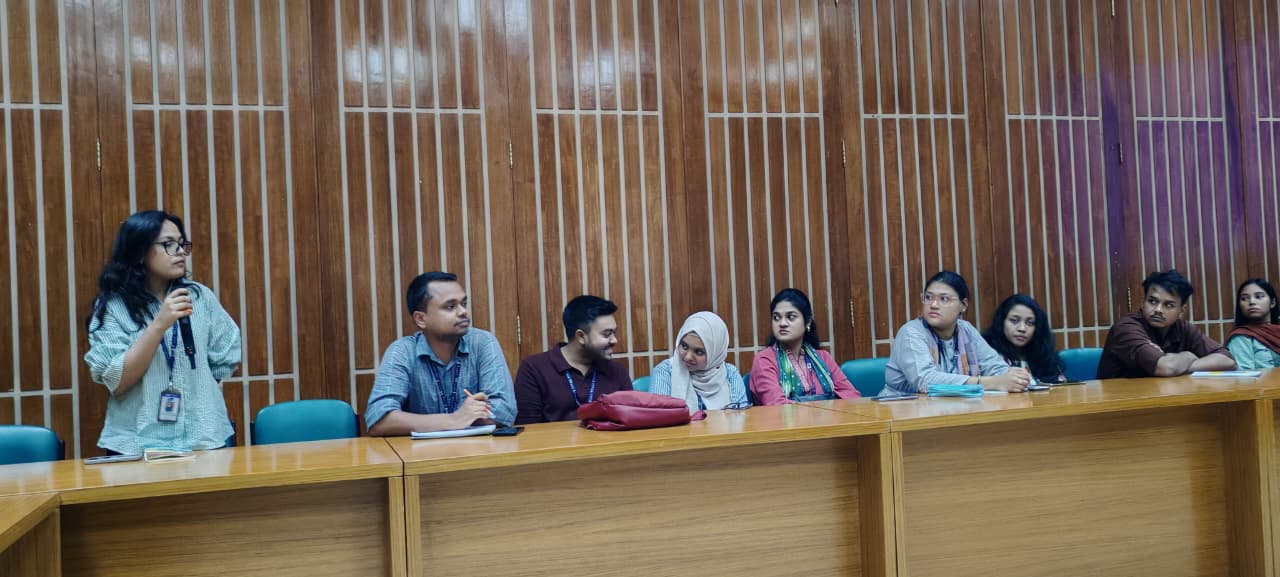
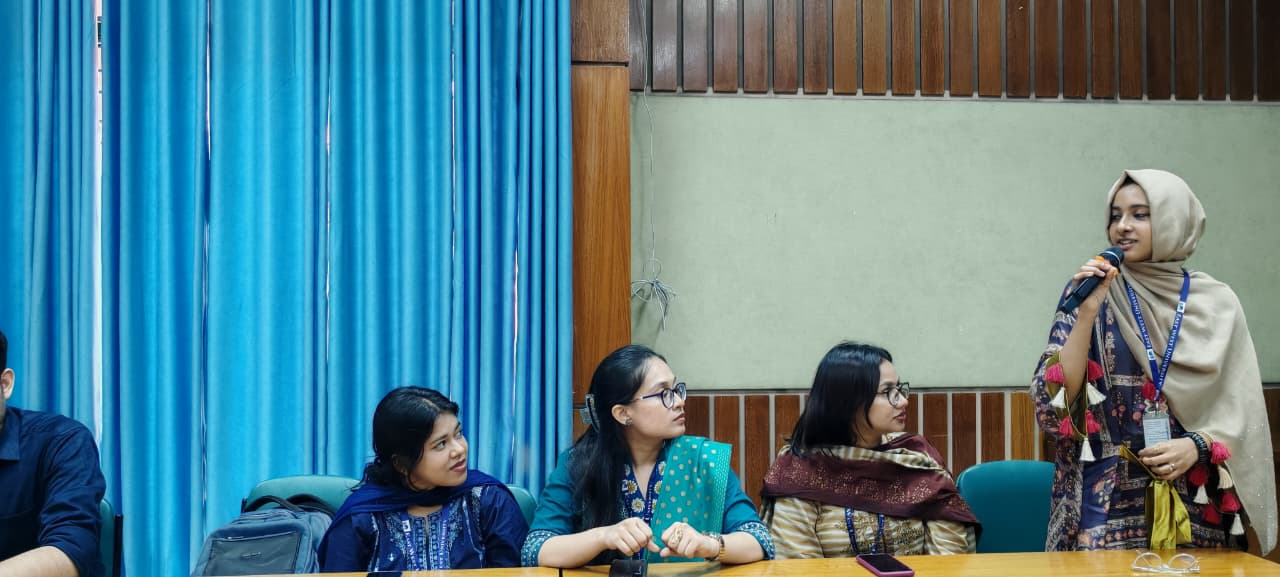
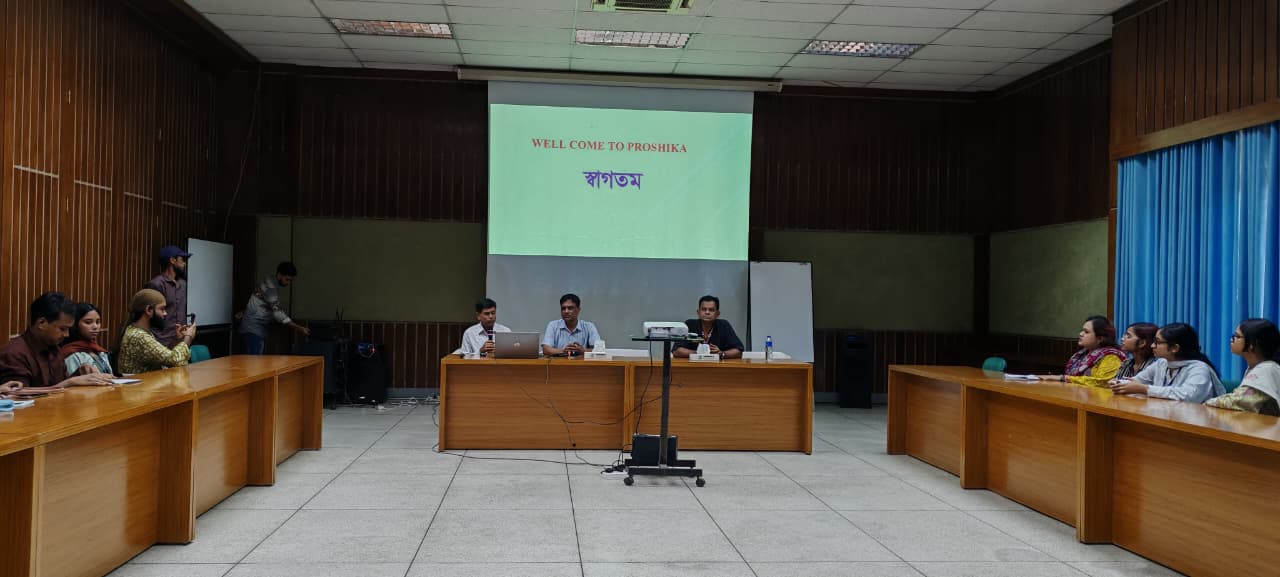
Upon arrival, the students were warmly welcomed by the authorities of PROSHIKA HRDC. They were subsequently briefed on the history, objectives, and major activities of the organization by Mohammad Salim Sarker, Senior Assistant Director, Human Resource Training Division, PROSHIKA. The briefing was followed by an interactive question-and-answer session. The discussion covered a wide range of issues, including PROSHIKA’s contributions to social and cultural development, sources of funding, organizational challenges, social impacts, and future plans.
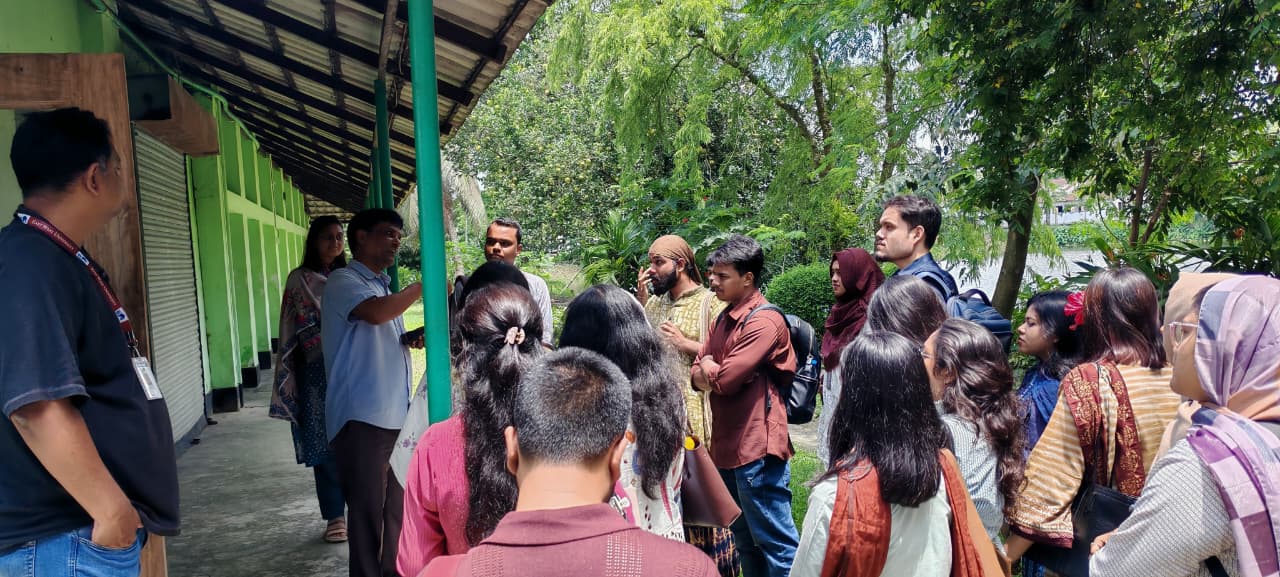
Following the briefing session, the PROSHIKA authorities organized a guided tour to demonstrate various social development activities undertaken by the organization, particularly those aimed at supporting disadvantaged and low-income communities. During the tour, students had firsthand exposure to and reflected on several development projects, including poultry, dairy, fisheries, apiculture (beekeeping), sericulture (silk production), and horticulture. The visit provided students with an opportunity to observe how development initiatives are implemented at the grassroots level and to relate their classroom learning to real-world development practices.
Click to Apply Online