13
Nov
Filed Visit at Manikganj with PROSHIKA | FALL 2026
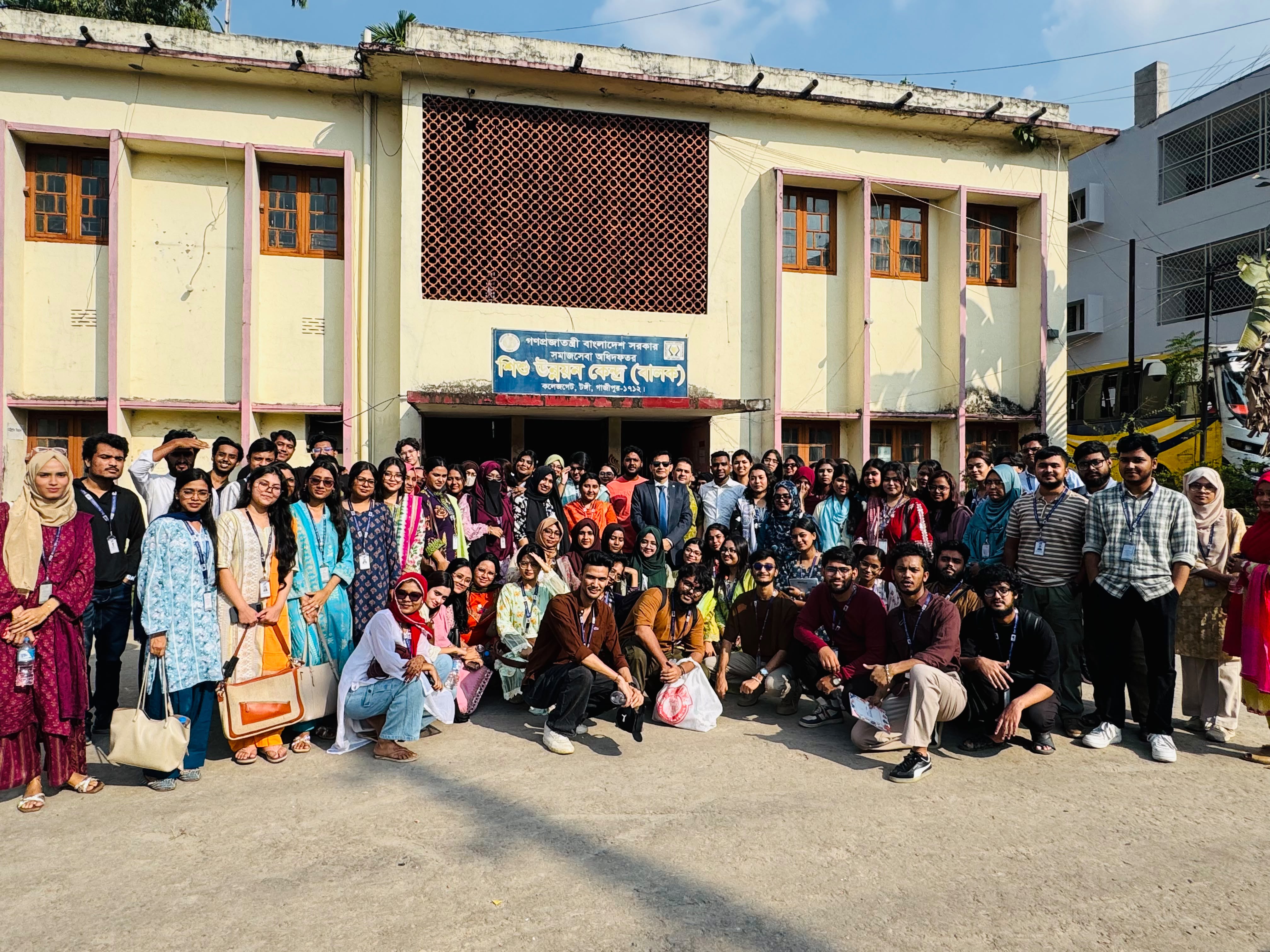
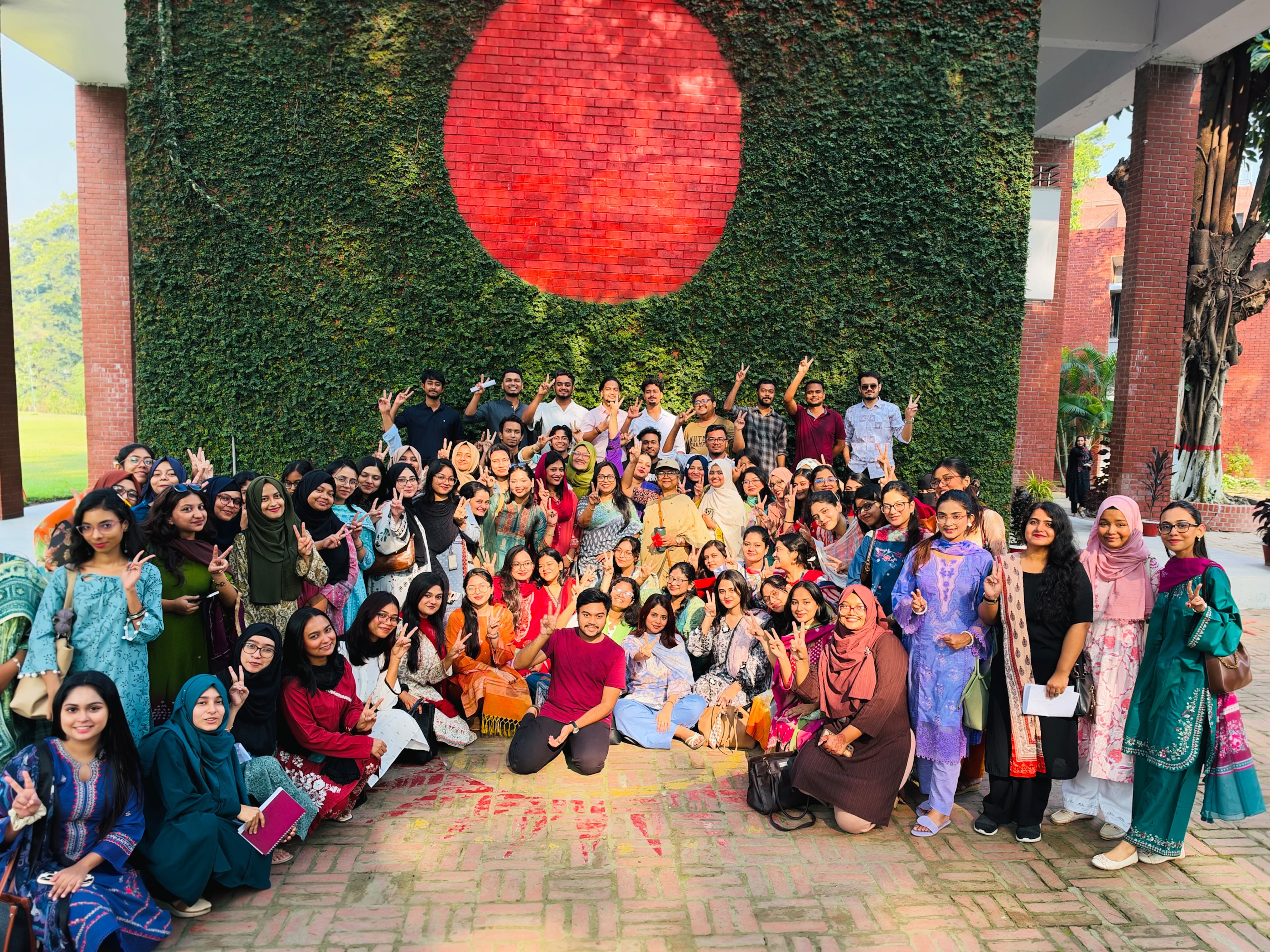
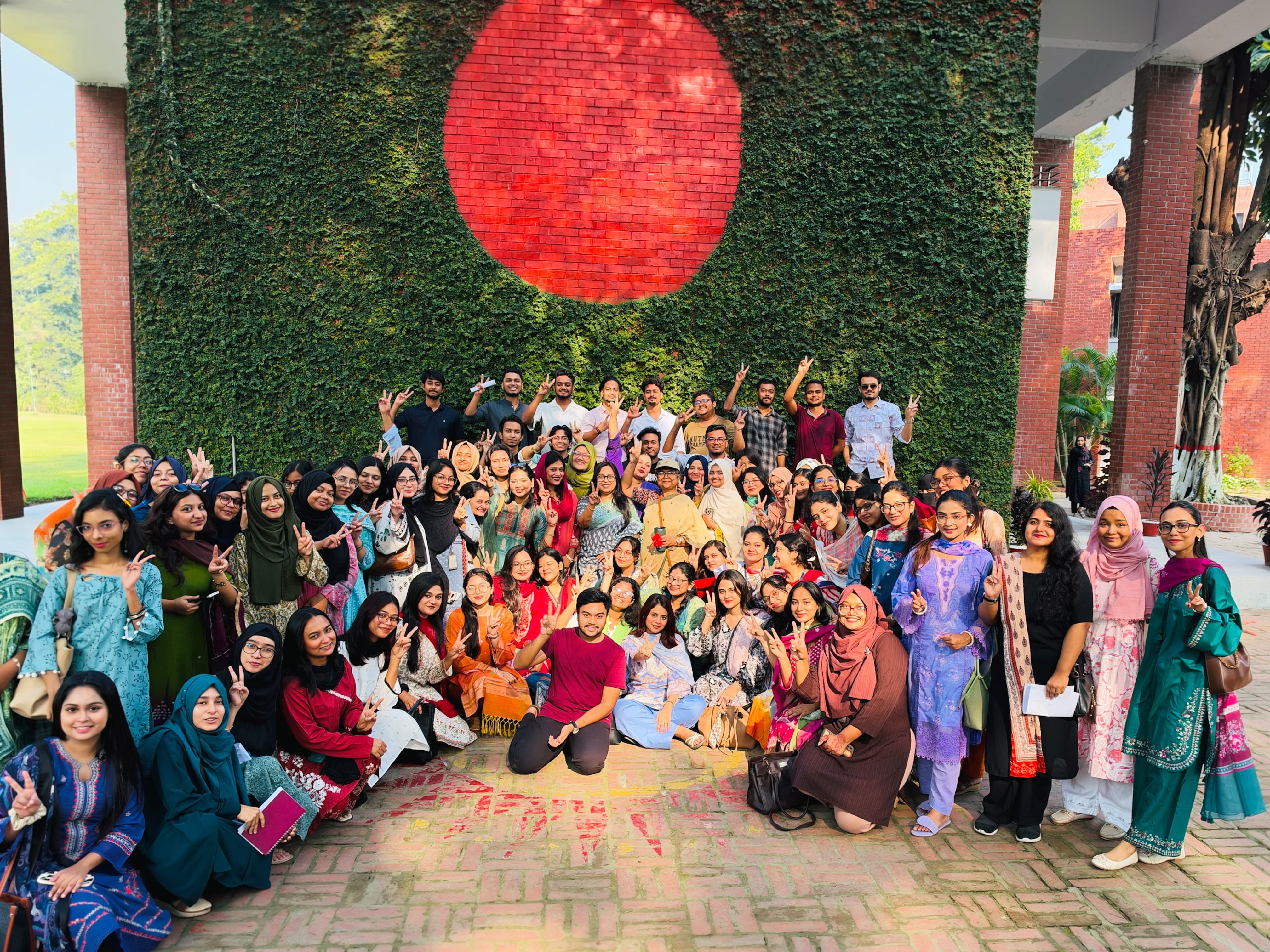
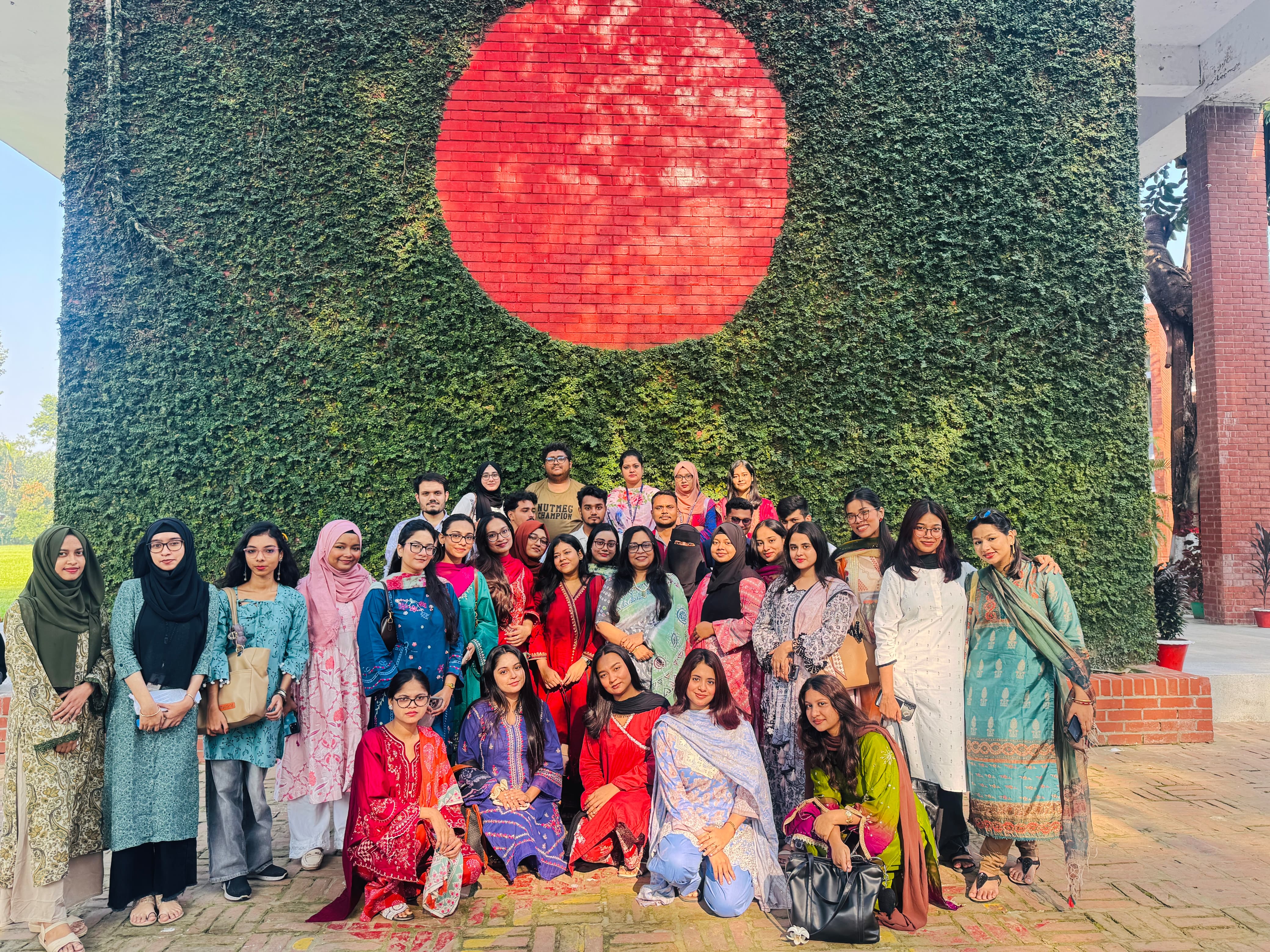
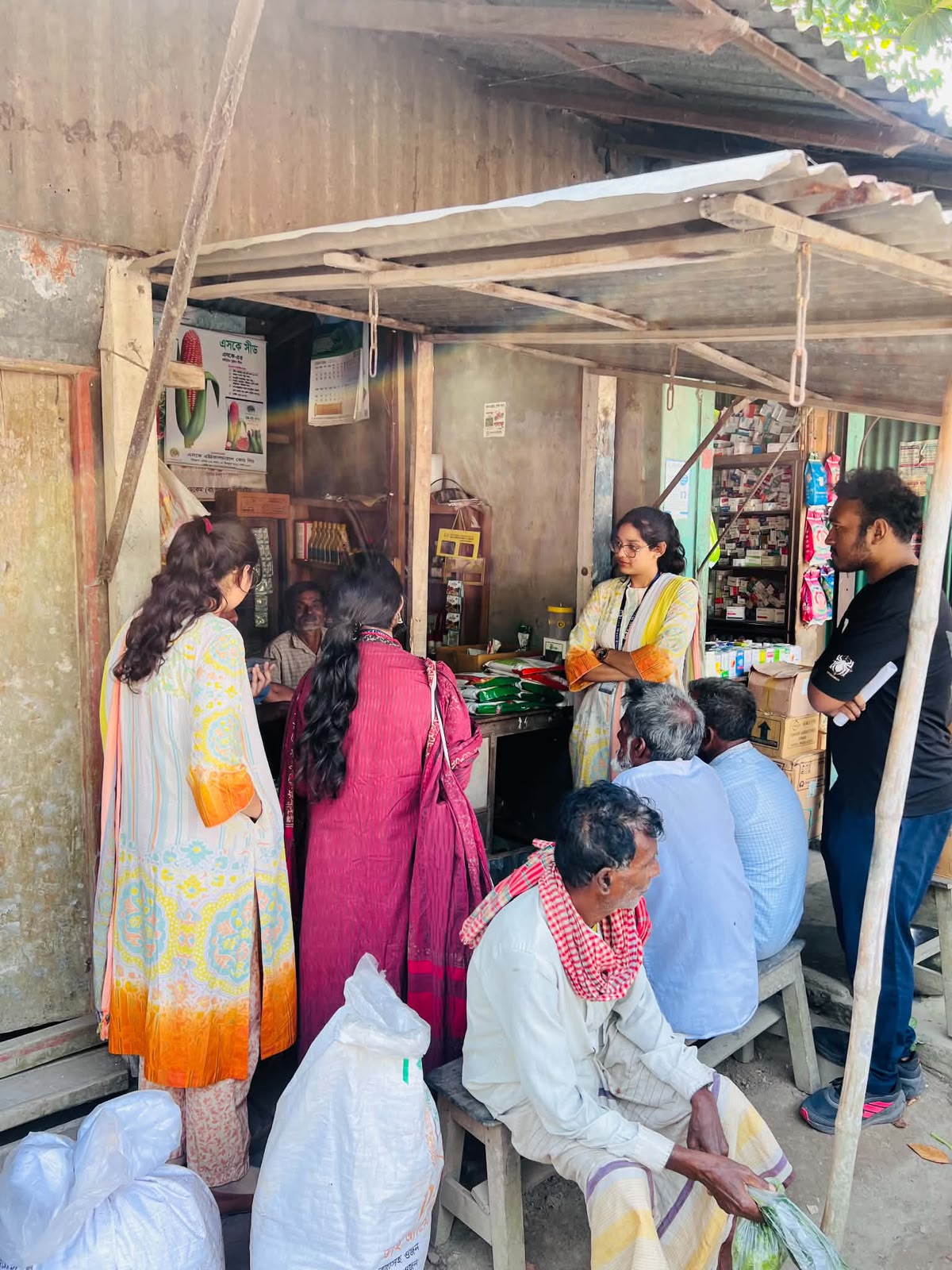
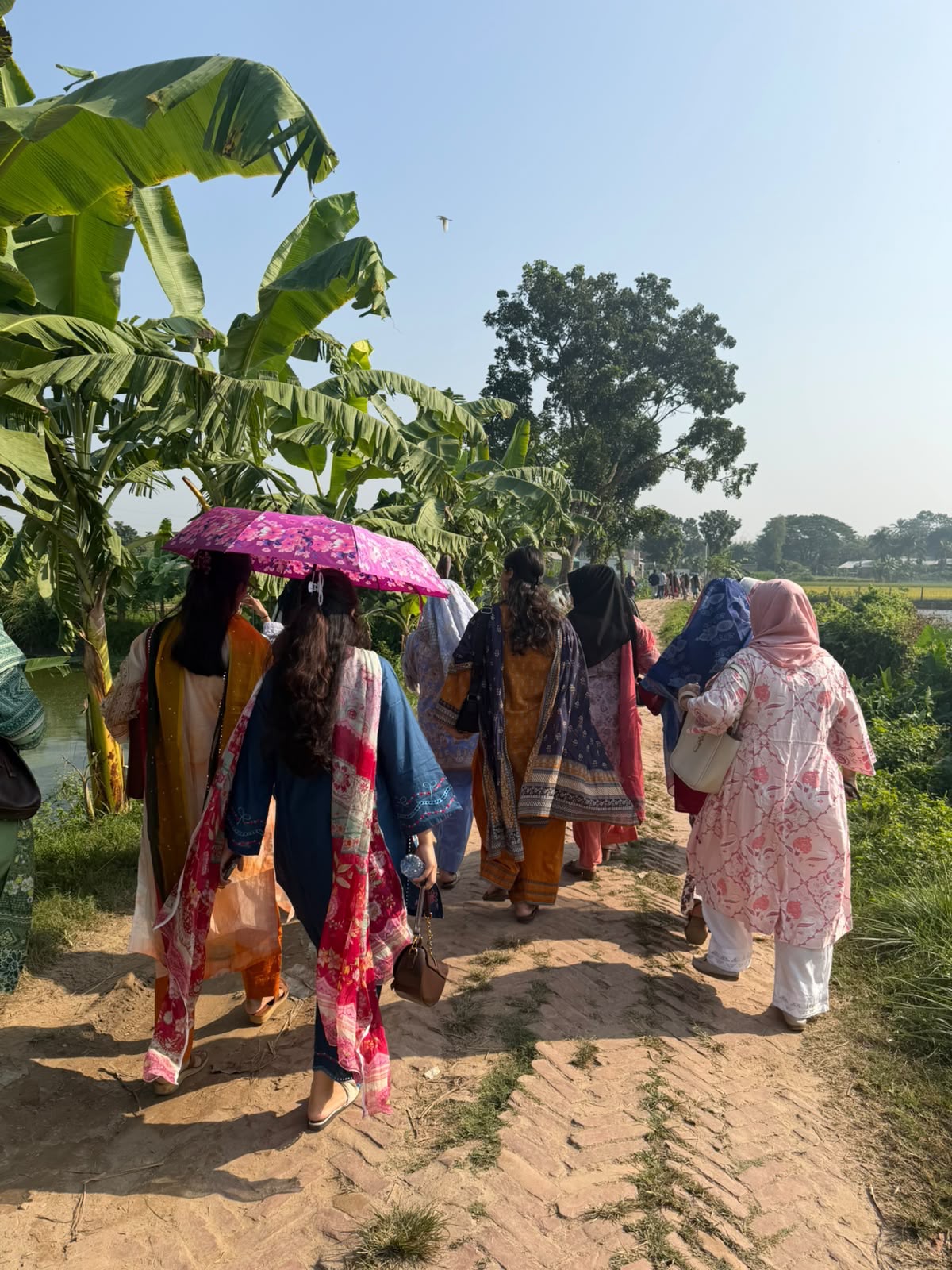
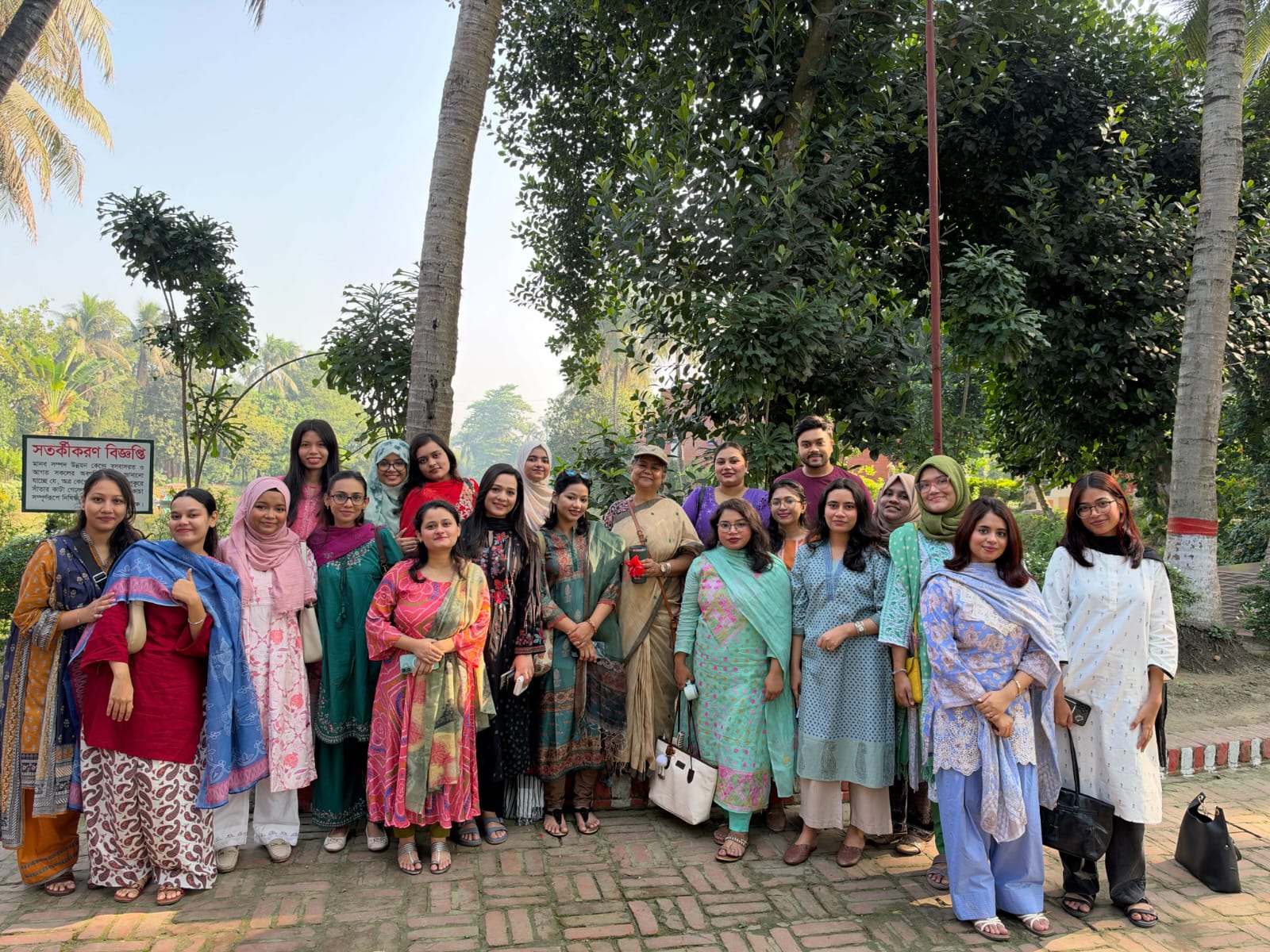
The Department of Sociology, East West University, organized a two-day academic field visit to two villages in Koitta, Manikganj, on 12–13 November 2026, with support from PROSHIKA. A total of 82 students (65 female and 17 male), accompanied by two faculty members, participated in the fieldwork.
The field visit was organized as part of three undergraduate courses: Qualitative Research Methodology, Sociology of Poverty, and Feminist Thoughts. The primary objective was to provide students with practical research experience and an opportunity to understand rural social realities, poverty, livelihood conditions and gender relations through direct engagement with community members.
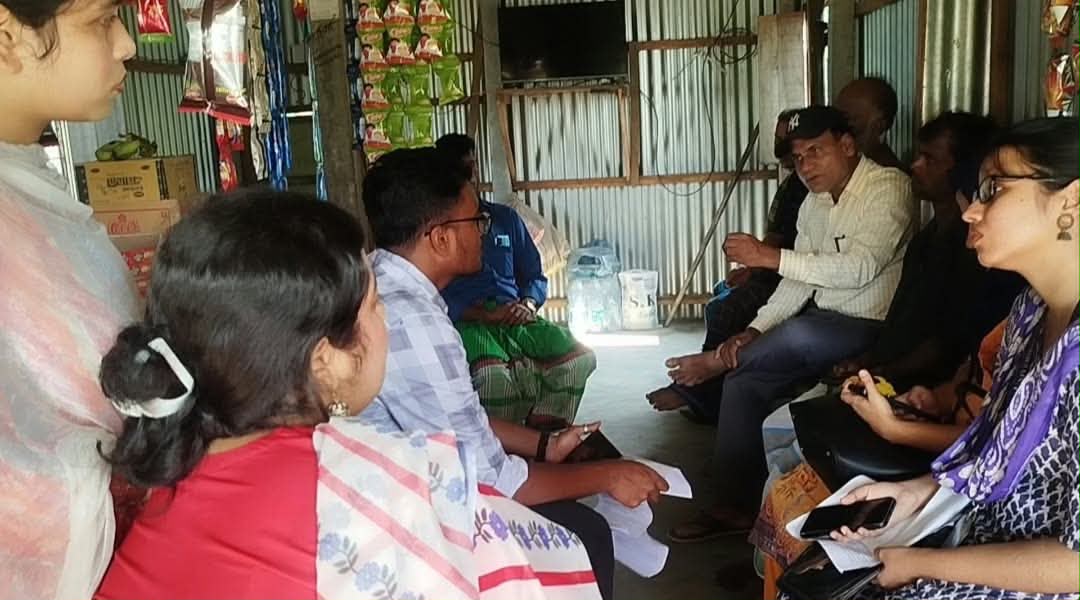
Students of Qualitative Research Methodology conducted individual in-depth interviews and focus group discussions (FGDs), to develop practical skills in qualitative data collection, interviewing and field observation. Students from Feminist thought explored gender relations, gender roles and responsibilities, gender power dynamics in the community and Sociology of Poverty engaged students in household-level discussions and observations to revealed different dimensions of poverty, livelihood challenges, household conditions and students of.
The fieldwork provided students with an opportunity to interact directly with villagers, listen to their experiences and relate classroom discussions and sociological concepts to everyday realities. It also helped them understand the importance of ethical research practices, informed consent, respectful communication and sensitivity towards research participants.
PROSHIKA played an important facilitating role by supporting the university team in accessing the villages and connecting students with community members. The cooperation of the organization and local residents contributed significantly to the successful implementation of the field activities.
Overall, the day long field work was a valuable experiential learning opportunity for the students. It strengthened their understanding of qualitative research methods and enhanced their ability to critically examine poverty and gender relations in rural Bangladesh. The visit also reinforced the importance of community engagement in sociological teaching and learning.
Click to Apply Online