14
Nov
Field Trip Child Development Centre (Boys) Gazipur, Tongi | FALL 2026
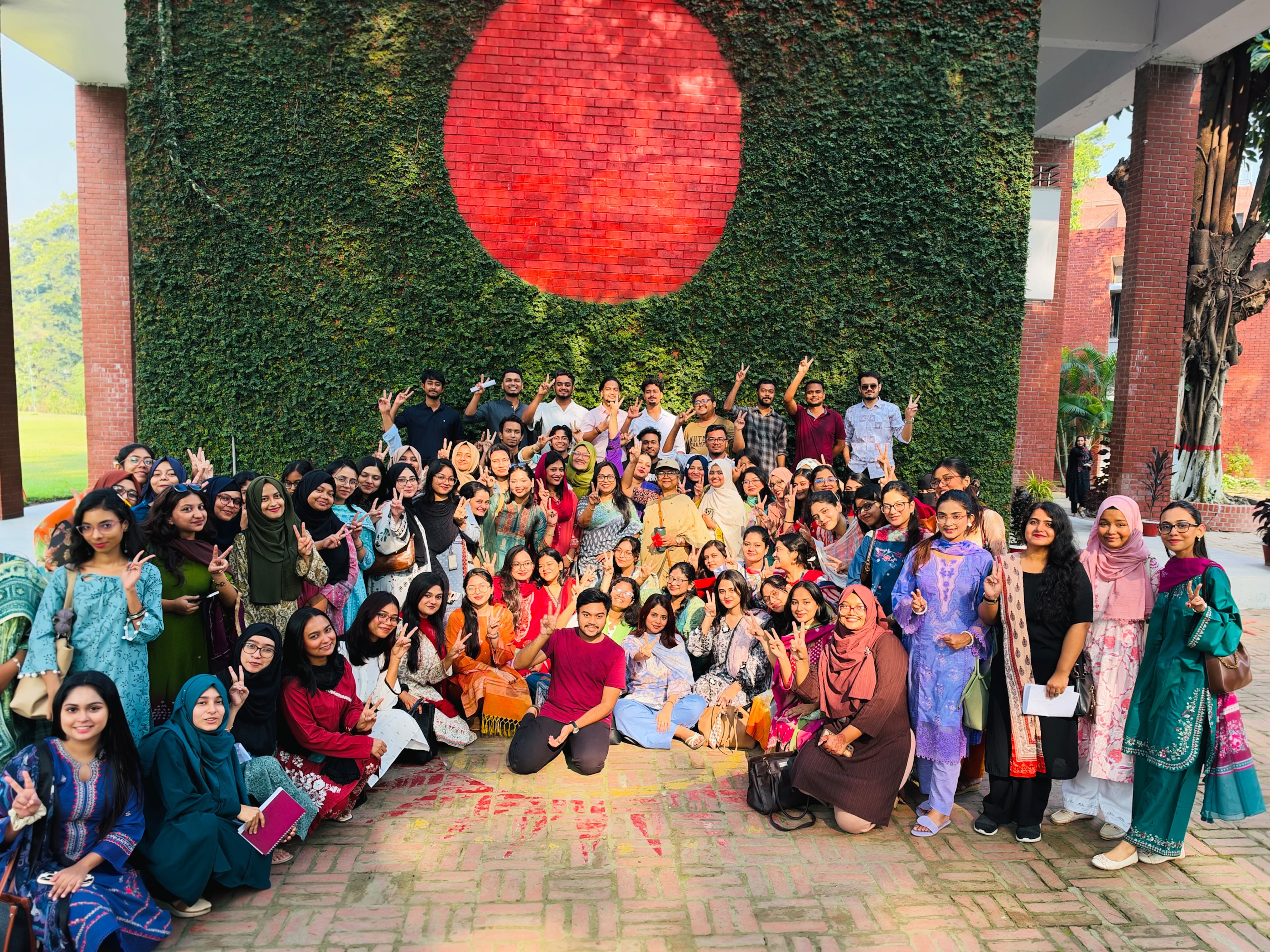
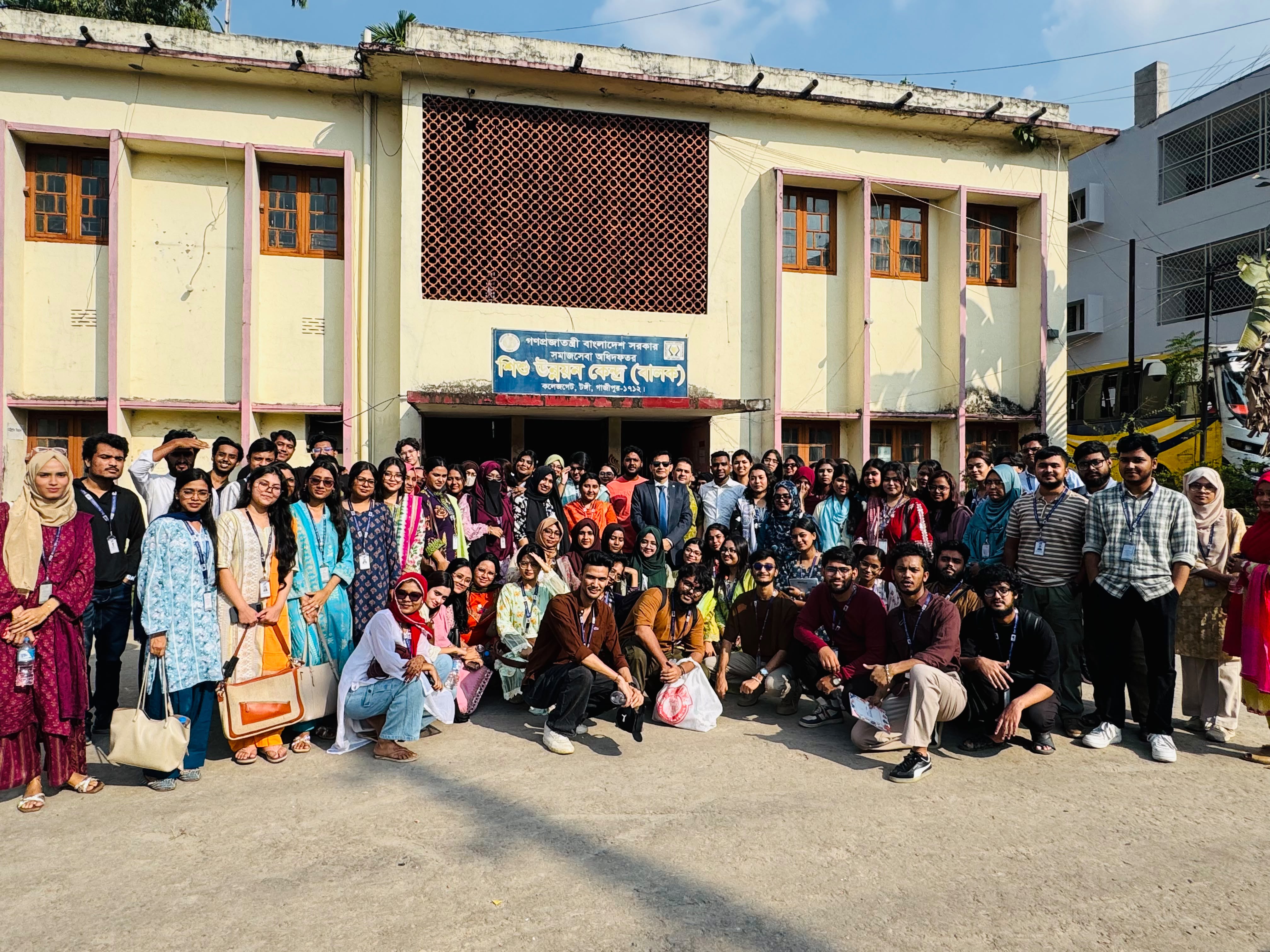
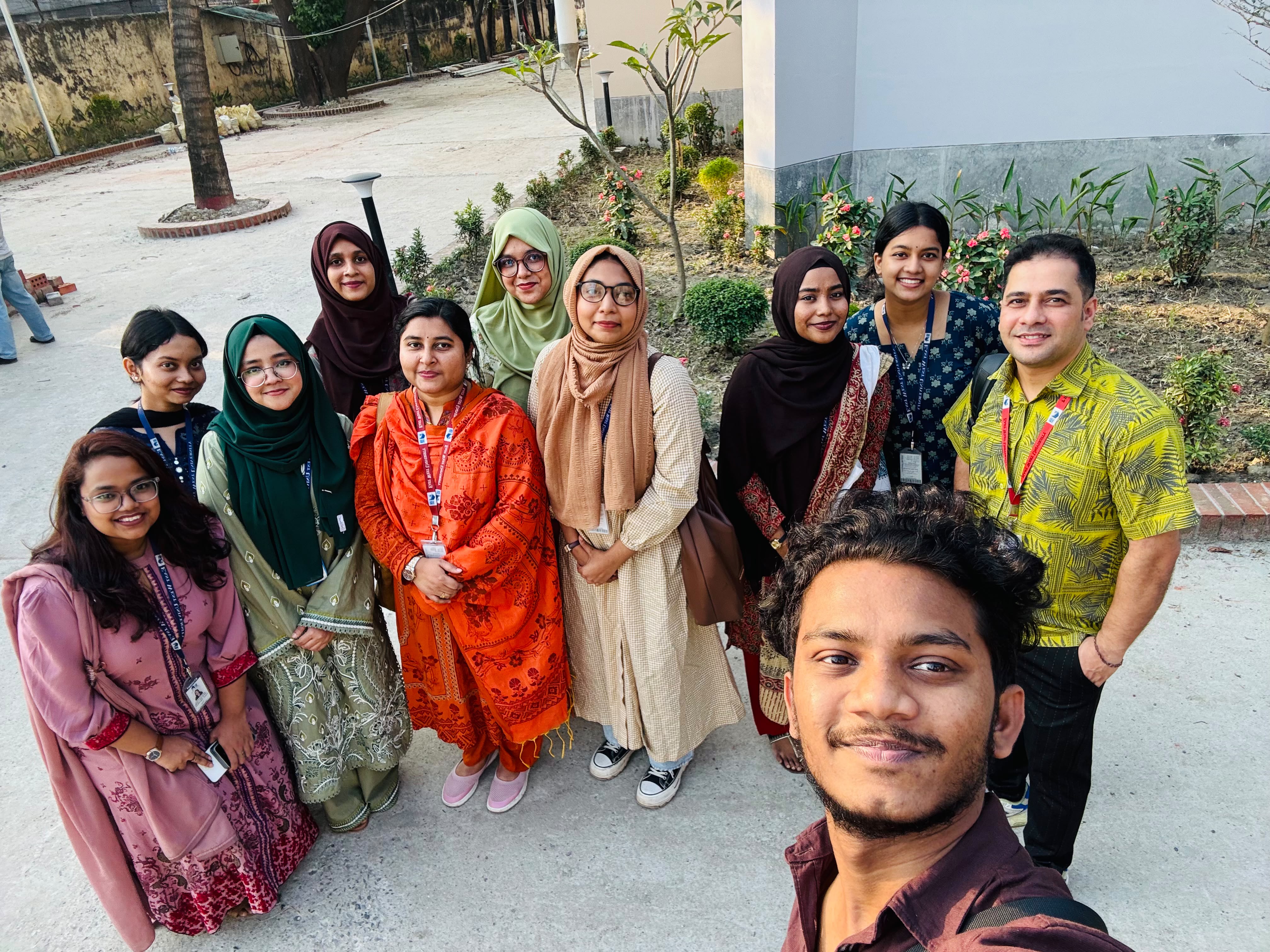
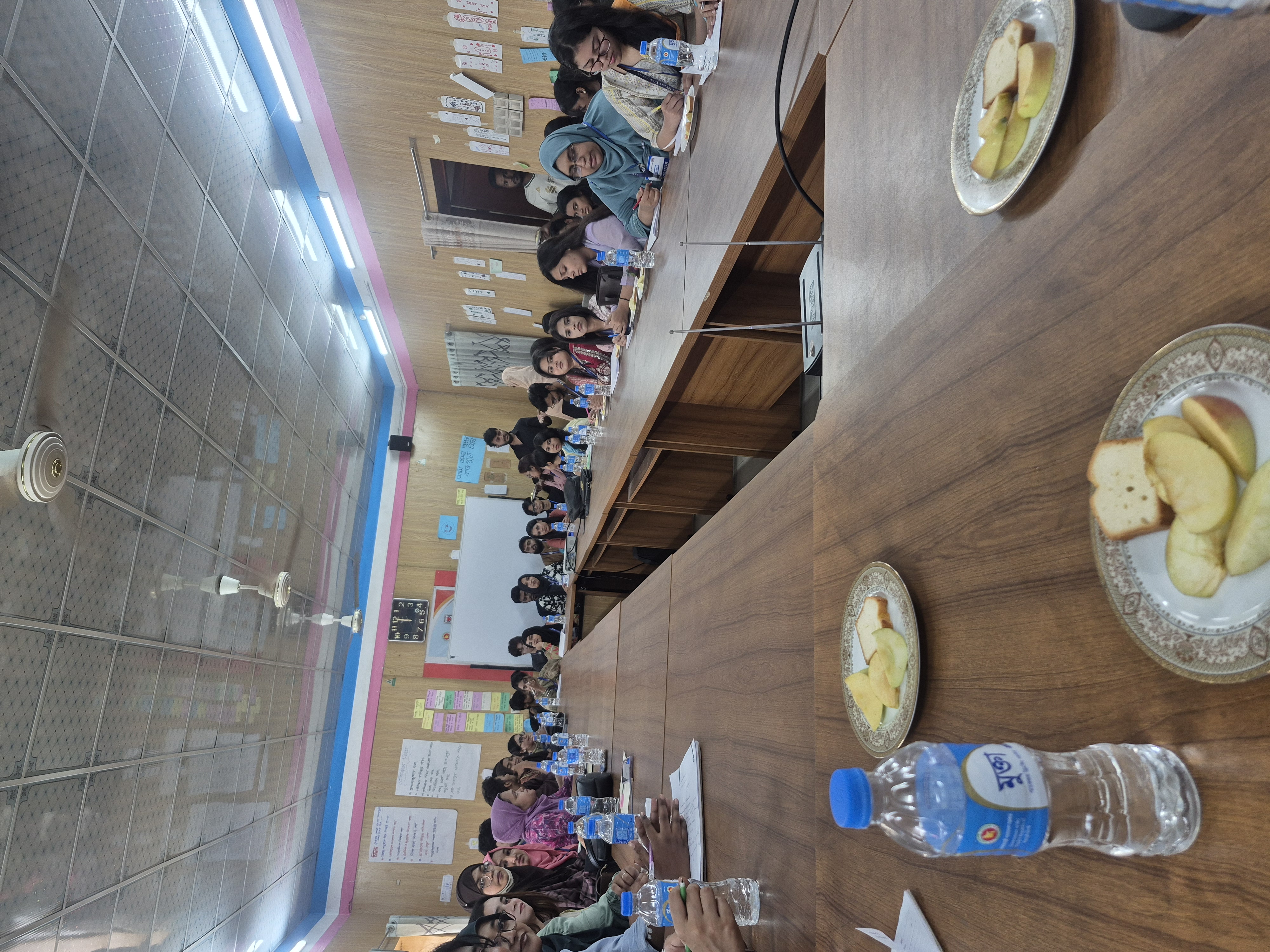
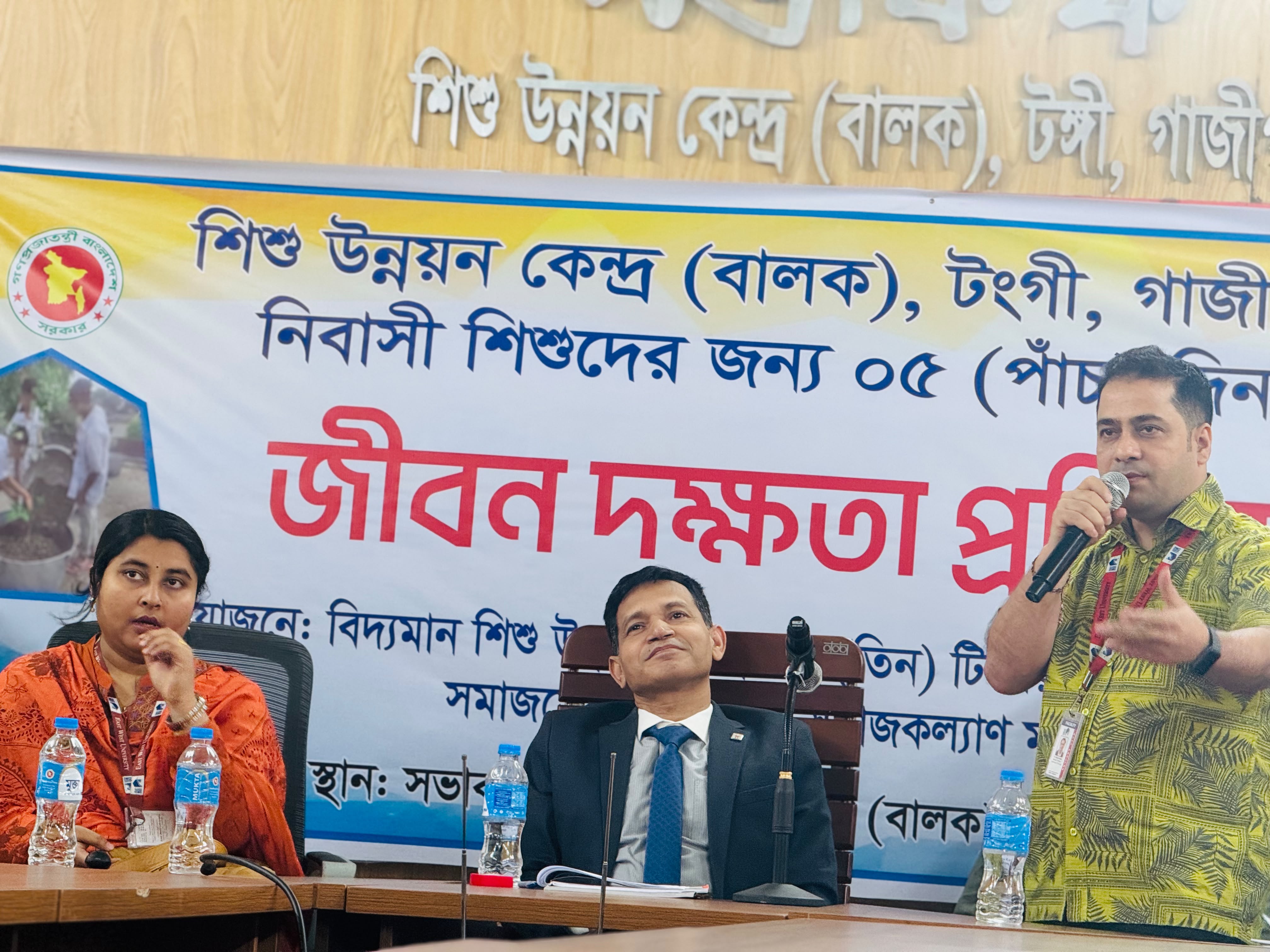
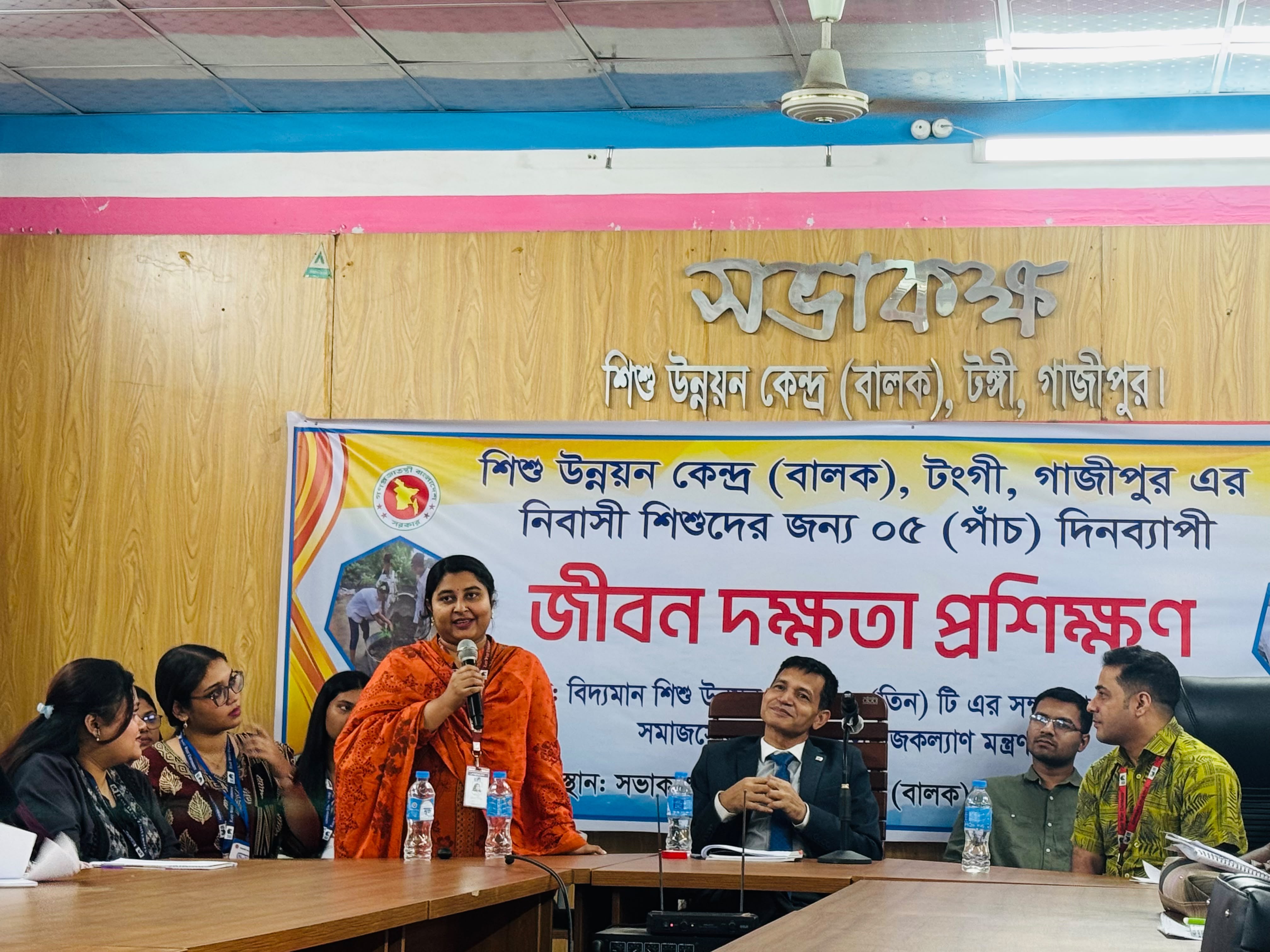
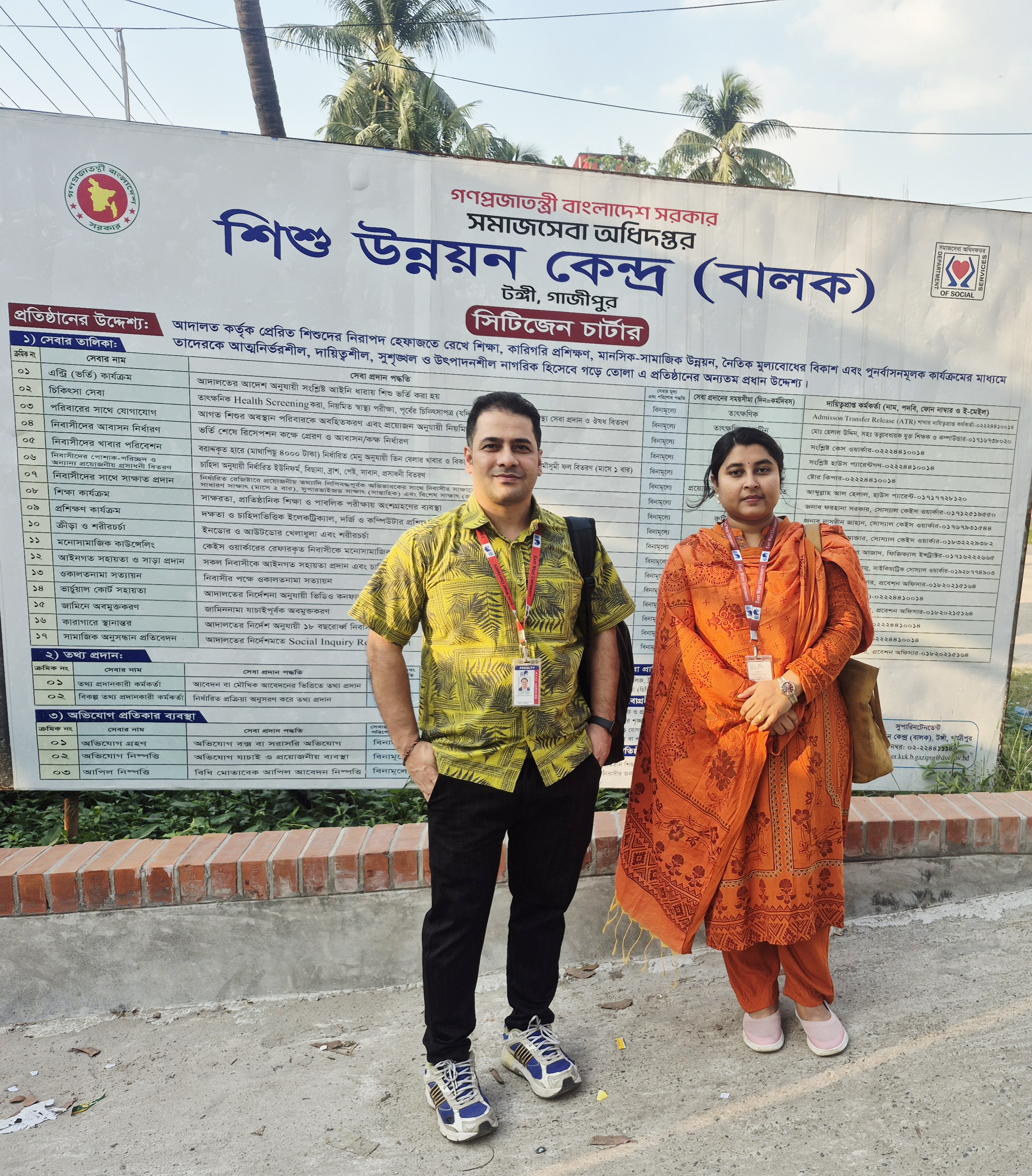
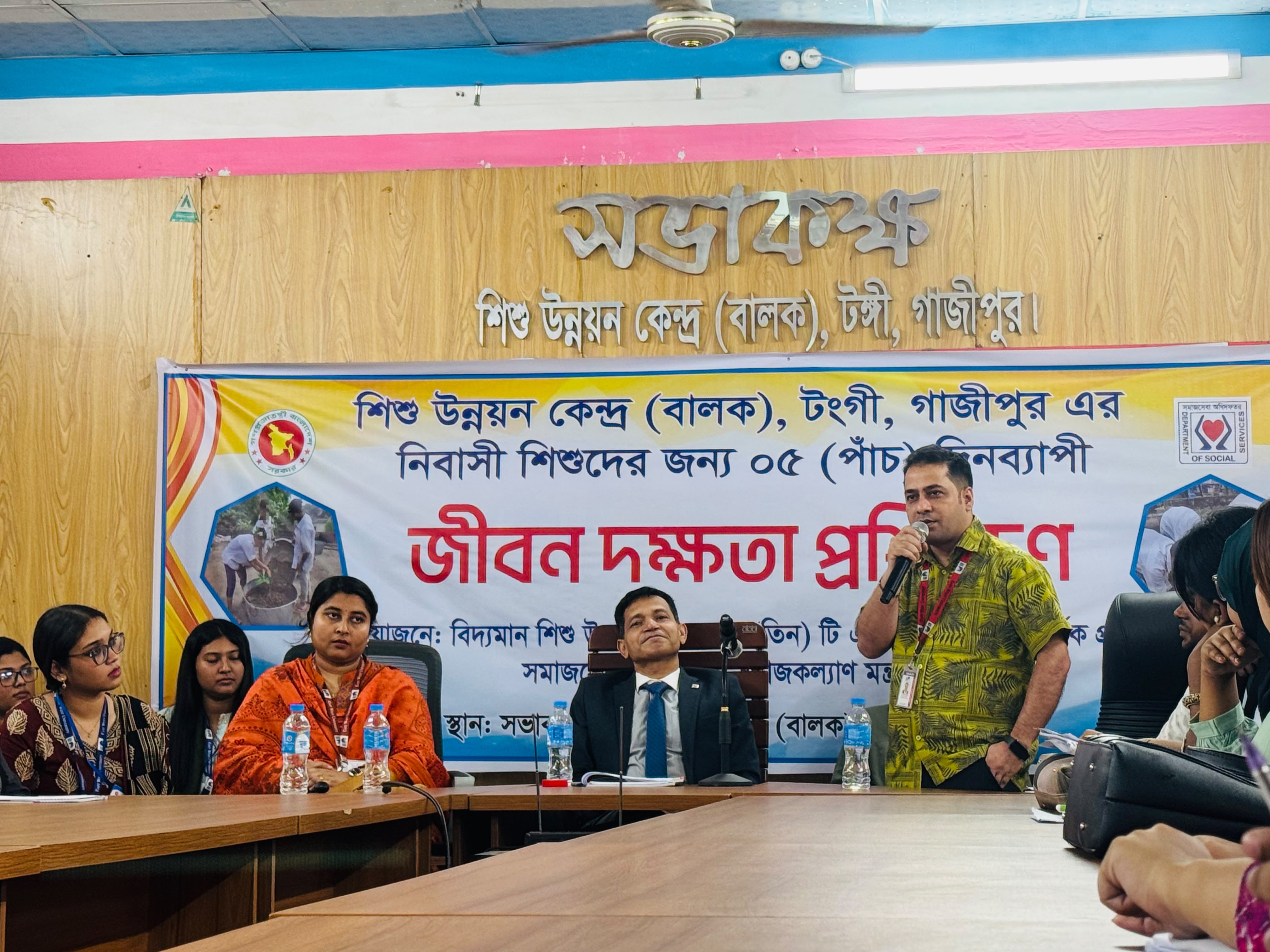
On 14 November 2026, a field visit was arranged to the Child Development Center (Boys), situated in Tongi, Gazipur, for the students taking up two courses in the Department of Sociology: SOC 7210: Community, Communication & Culture under the guidance of Ruma Parvin, Senior Lecturer, and SOC 7107: Social Problem and Analysis under the supervision of Dr. Rasel Hussain, Assistant Professor. A total of 90 students took part in the visit. This field visit was planned for the purpose of enabling the students to experience the institutional setting, lifestyle, and social interaction of juvenile delinquents. On arrival, they were issued identification badges before undergoing an orientation session, which lasted about two hours and was led by the superintendent, an official from the organization. The orientation session provided them with information on the organization's operations, its population, accommodation, and how the youngsters were admitted and placed within the organization.
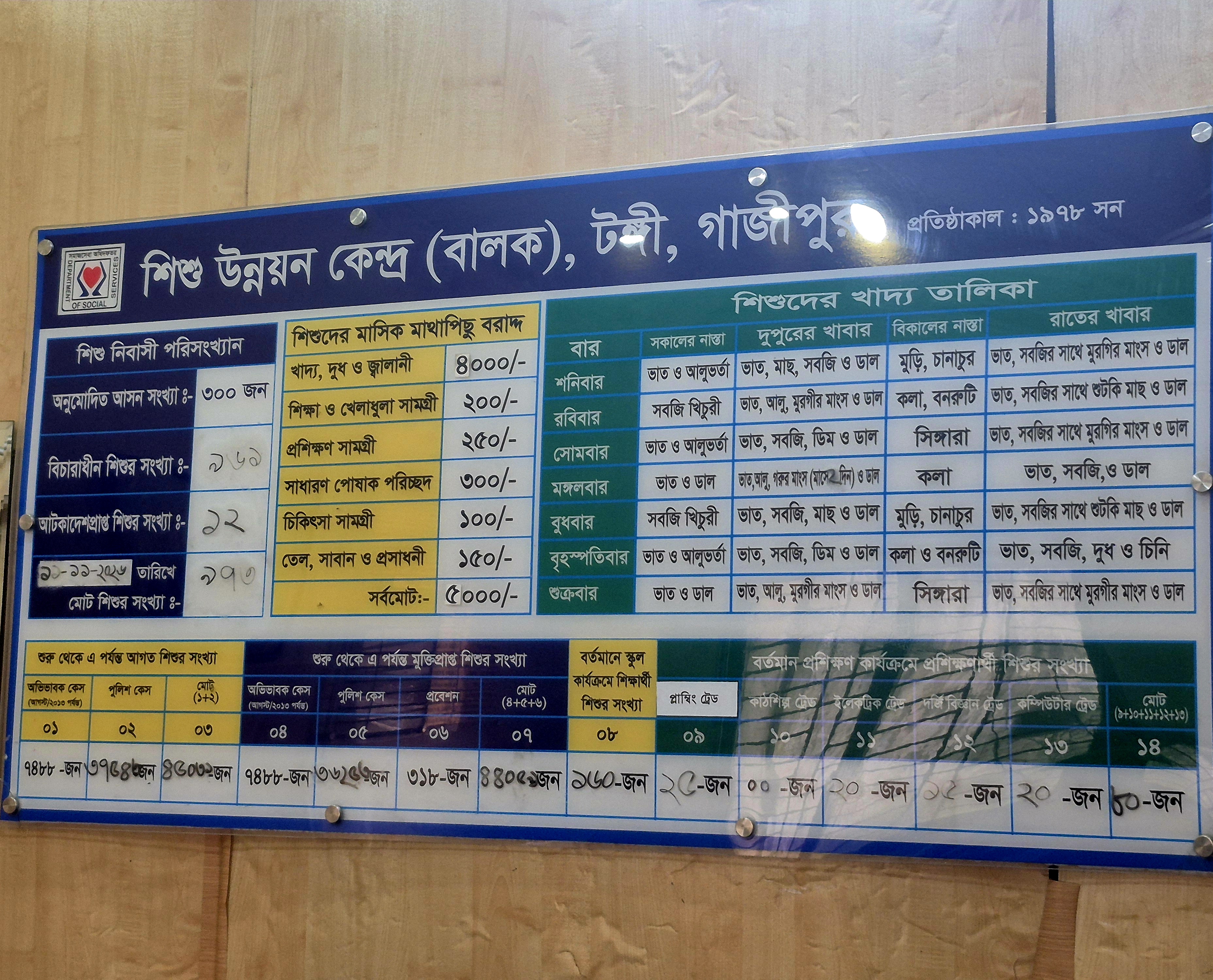
According to the representative, the institution at the time of the visit housed about 978 people, out of which 300 people were linked to murder or homicides. The foremost problem pointed out by the representative was the huge difference between the institution's capacity and the actual number of people housed there. While the institution's capacity was supposed to be 300 people, there were more than 900 people in the institution, indicating considerable overcrowding and pressure on its existing facilities.
The representative went on to explain the arrangements made for residents of various age groups. Residents were aged between 9 and 18, although people older than 18 were also admitted at times, as cases were being heard by the courts. Upon reaching adulthood, the residents were shifted to different facilities.
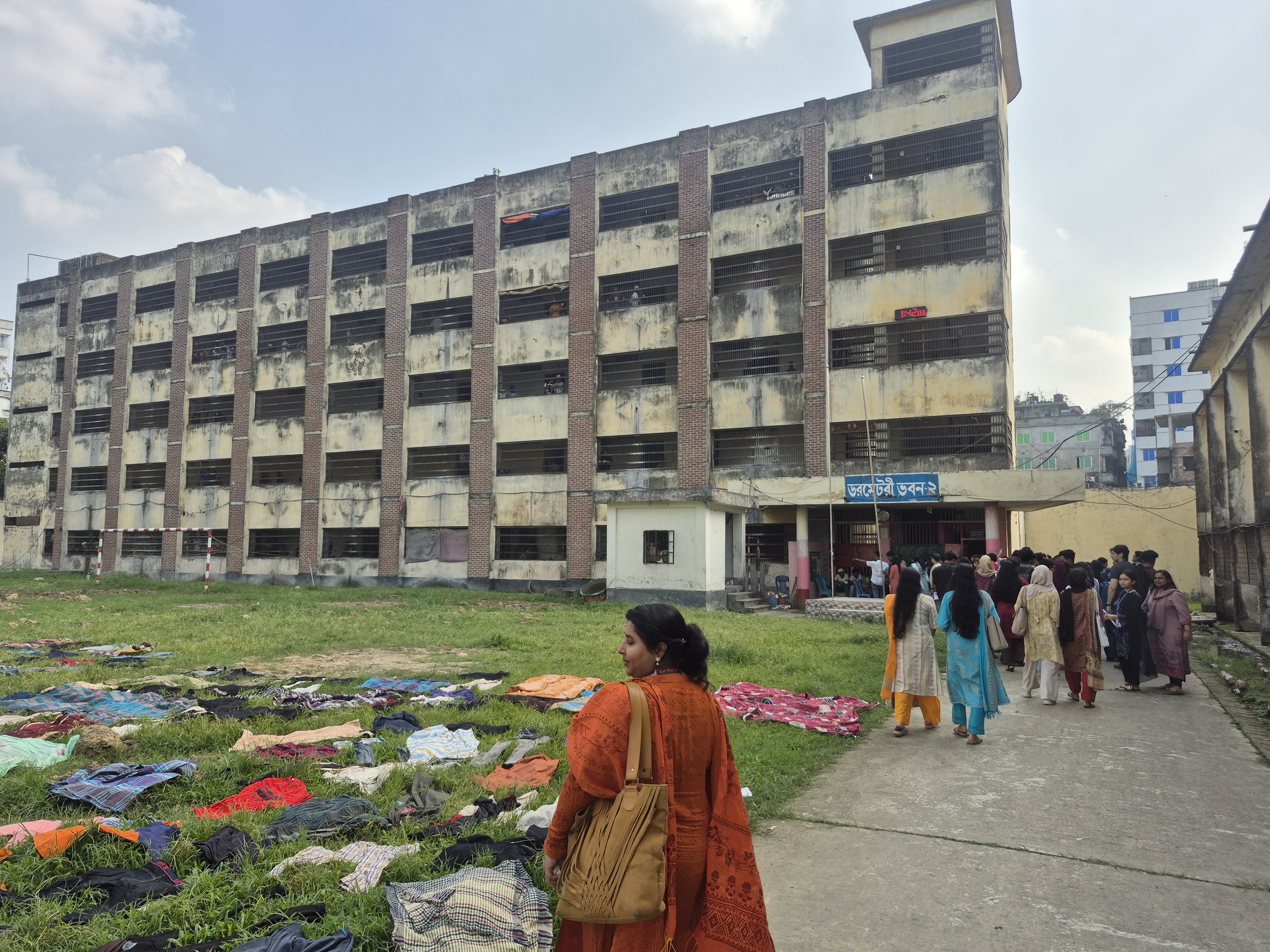
During the visit, students were able to observe the residents' behaviour and interactions within the institutional environment. Some residents appeared enthusiastic about the visitors and actively attempted to communicate with them. Several expressed their desire to leave the institution with the visiting students. Others shared personal accounts of their circumstances, with some claiming that they had been falsely implicated in serious offenses, including murder, by their friends. These accounts provided an opportunity to consider the different circumstances and experiences that may lead young people into the criminal justice system. At the same time, some residents spat from the upper floors towards the visiting students, demonstrating behavioural challenges within the institutional setting.
The visit provided an opportunity for the students to observe the behaviour and interactions of the residents inside the institution. Some residents seemed excited about having visitors and tried hard to communicate with them. Some also shared their stories with the visiting students, telling them how much they want to get out of the institution. A few claimed that they have been wrongly accused by their friends of committing crimes such as murder. However, during the visit, some residents threw spit at the visitors from above, demonstrating behavioural challenges within the institutional setting. Beyond the introduction to the facility, the tour also revealed certain organizational and infrastructure deficiencies. A large disparity between the facility's planned accommodation capacity and the number of residents raised doubts about overcrowding, the institution's resourcefulness, supervision, and management in general. This fact pointed to difficulties that could arise during the operation of such a correctional facility.
In addition, the initial session also featured several sociological and criminological theories that would enable students to understand juvenile delinquency and other social aspects of crime. The discussion was based on Routine Activity Theory, which explains how crime may arise from the coincidence of a motivated offender, a suitable target, and a lack of capable guardianship. Another theory covered during this class was Differential Association Theory, where students were taught that criminal behaviour is learned through interaction and association with people. In addition, the class featured World-Systems Theory and its aspect regarding the connection between the Global North and the Global South, and how it affects social conditions in various countries due to global inequalities and power imbalances. Finally, there was a discussion about the differences between delinquency, deviance, and crime, and whether all forms of killings can be legally regarded as murder.
Overall, the field trip has helped students see how theories and concepts regarding crime, deviance, social problems, and institution-based corrections in sociology relate to the realities of life. It also highlights the need to view youth offenders not just in terms of the crime they have committed, but also in terms of the institutions they come from.
Click to Apply Online